
There’s a version of self-care we’ve all been sold — bubble baths, candles, a glass of wine we didn’t even really want. And then there’s the real thing, the kind that shows up quietly in your skin when nobody’s watching. Amelia Castillo has spent seventeen years reading that language on her clients’ faces. Three years ago, she started reading it on her own.
In this episode of Her Story Unscripted, Amelia — a Sonoma County esthetician, mom of two, and self-described forever student — shares the honest, unscripted story of what happened to her own skin when her best friend was diagnosed with stage four breast cancer, and what that taught her about the nervous system, caretaking, and the guilt so many women carry for simply taking care of themselves. We talk about perimenopause, hormones, sleep, the truth about what self-care actually is, and why she believes nobody talks enough about what it costs to hold someone else’s hand through the hardest moment of their life.
If you’ve ever felt like your body was trying to tell you something and you didn’t have time to listen, or if you’ve ever been the strong one for someone you love while quietly falling apart yourself, this conversation is for you.
What We Talked About:
In this episode, Amelia and I talk about:
- The moment her own skin broke down and forced her to notice what stress was doing to her body
- Why the nervous system is the system women overlook first — and what it has to do with acne, rosacea, and eczema
- What self-care actually means when it’s not a checklist — and why sometimes it looks like trashy TV and a glass of wine
- The guilt she sees in almost every woman who sits in her chair, and her dad’s “fill your cup” wisdom that changed how she sees it
- Caring for her best friend through stage four breast cancer, and what she wishes someone had told her about taking care of the caretaker
Episode Highlights:
00:00 — Introduction — Heather welcomes Amelia Castillo.
01:49 — Amelia’s 17 years as an esthetician and how her approach has evolved.
04:05 — The nervous system, the skin, and why it gets overlooked.
08:17 — Redefining self-care beyond bubble baths and wine.
23:29 — Caring for her best friend through stage four breast cancer.
19:41 — Perimenopause, sleep, and the evening routine that changes everything.
47:26 — Where to connect with Amelia.
Meet Amelia:

Amelia Castillo is a wife, mom, esthetician, and Integrative Nutrition Health Coach with nearly two decades of experience. As the owner of Bare Skin Beauty, she is passionate about helping women feel confident in their skin through a blend of science, wellness, and real life sustainability.
Full Transcript:
Amelia Castillo: If you’re the caretaker of someone in any way, it doesn’t even have to be cancer, right? But being a caretaker for someone and holding someone’s hand through the scariest, hardest moment of their life, it will also take a toll on you. And it’s okay to then say, I need to reach out, and I need someone else to help me while I help this person.
Heather Nelson: Welcome to Her Story Unscripted. I’m your host, Heather Nelson, a connector, business strategist, and someone who truly believes that the most powerful conversations happen when we stop performing and start being real. This podcast is a space for women to share honest, unscripted conversations about life, growth, and the experiences that have shaped who we are. No perfectly polished narratives, no pressure to have it all figured out, just real, authentic stories told exactly as they are.
Hello, everyone. Welcome to Her Story Unscripted. I have the honor of having Amelia here. We first physically just met. Well, I guess virtually just met. We did have a phone call. That’s what I love so much about our community, and the people who support my podcast. They’re like, oh, my god, we have someone, that would be so great. And you were connected by our friend Kelly. Instantly when I met you, we had so many things in common. And you’re right here in Sonoma County. We’re all plucking along, doing the same thing, and I just can’t wait to dive into your story. So welcome.
Amelia Castillo: Thank you for having me. I’m so excited.
Heather Nelson: Yes, me too. Tell the listeners a little bit about who you are. I said you lived in Sonoma County, but a little bit about the work that you do. I always like to have people say, maybe your age and where you sit in life, as far as kids and that kind of thing.
Amelia Castillo: I’m 42. I have two kids. I have two daughters, one is 19, and one is 4. So one’s in college, and one’s in preschool. We’re doing two very different worlds simultaneously. I’m an esthetician. I’ve been an esthetician for 17 years, but I definitely do things a little different over the last, well, over the course of my 17 year long career. I’ve changed things, so I don’t think I’m your stereotypical esthetician in how I treat and go after the skin. I love that you might be happy.
Heather Nelson: Well, and it’s so funny because I’m sure the evolution of things has changed so much. 17 years is a long time, and skincare products have changed. I think there’s this whole conversation around perimenopause, and something that we’re both sitting in right now is like a new thing that’s being talked about, and so I’m sure that has changed how you show it to your clients.
Amelia Castillo: Oh, yeah, definitely. That’s how science goes. What we thought we knew 17 years ago to what we now know has just changed. We’re constantly learning and evolving, which is why I really like my field. I am forever going to be a student and continue my education in this world because it’s always changing, and you have to stay on top of it to actually be able to help your clients and really understand it.
Heather Nelson: That’s what I love so much. I just had someone who owns, she does hair, and she was even just talking about the evolution of things, and the different treatments that there are now. How much hair and your scalp impact your health, and you’re coming at it on a lens of skin. I know that that is like a big thing for us now with the sun, and what we’re putting on it, and how we treat it, and how we take care of it, and so I love somebody that’s consistently wanting to learn and adapt. Because we, I think that’s what we have to do. Talk about the services that you do now with your clients. You have a brick and mortar, right? You have a salon somewhere.
Amelia Castillo: Yes, yes, I’m off of Airport Boulevard, so kind of near the airport-ish. Not at the airport, but on your way. I do facials. Of course, that is a big thing of what I do. But before deciding it’s not just facials. It’s not like, oh, if you want a hydro facial, we’re going to do a hydro facial. That is really what your skin needs. I’m really big on consultations, that’s my favorite thing to do. It’s an hour long consultation, and we go into everything. Because the way I look at it, there’s 7 major systems in our body that play a role on our skin. I asked questions, trying to figure out if any of these 7 major systems are misfiring or they’re stuck in some way. And then from there, I will help guide them in what they need to do in the treatment room, skin care product wise, and then also what they might want to look into addressing outside of that world. So for prime examples, one of them is your nervous system. That is a huge one that I think gets overlooked. So there’s a lot of questions on what’s your stress level. Are you overwhelmed? What do you do for work? I don’t just straight ask, are you overwhelmed? There’s questions that we dive into.
Heather Nelson: I feel like every woman’s like, yeah, I am overwhelmed.
Amelia Castillo: But all those things will play a role in your skin, and they’ll show up in certain ways. I’ll see things maybe on the skin, and I’m like, I can instantly kind of be like, oh, that could be this system or this system. So the nervous system, it’s going to show up a lot like acne, rosacea, eczema, sensitivity, delayed healing. But then, one of the other systems is like the immune system, and that will also show up as eczema, rosacea, redness, sensitivity, stiff skin. And so sometimes when people see that, they might just instantly go to, it’s my immune system, and they kind of start tackling that. I feel like the nervous system always gets pushed to the side like, oh, that’s nothing. Everyone wants to detox, and I 100% say that there is the gut-skin connection, but it’s everyone’s first thing to go to. And the nervous system, I notice, is definitely the last that people tend to look at. When they’re sitting there going, oh, my skin is not doing what it is towards it, having some weird reactions. That’s probably my biggest one that I’ve really honed into over the last couple of years because I was a prime example of it. I was looking at all the other systems and ignoring the nervous system. And then my own life kind of forced me to be like, oh, guess what? You can’t ignore this either. So that’s a lot of what my consultations are, really getting into what your lifestyle is doing that could be affecting your skin as well.
Heather Nelson: I think so many people are coming at it in that lens because I think there is so much. We’re starting to find that in our bodies, our hair and our skin, and it’s what’s impacting us in our life that is showing up on our body. And it’s so funny, I feel like every conversation I have is about the nervous system, and it’s like this new thing. Everyone’s like, what? Nervous system? Do you help coach women on ways to regulate that nervous system? Do you work with other people who are focused on that?
Amelia Castillo: I help guide. I have a lot of connections with all of these 7 systems that I have in my brain. That’s just how I do my consultations. So in each one, it’s their digestive system, it’s their hormone system, it’s their nervous system. It doesn’t matter which one it is, there are things that I can suggest, I can guide, I can offer. Oh, this person might be able to help you, especially when it comes to the nervous system. It’s going to be so tailored. Because what calms me, and what is my self care. And your self care could be totally different. And sometimes I think that the world is like, self care needs to be a bubble bath, or you need to do yoga. Don’t get me wrong, those things are great. But it’s just another freaking to-do list. And sometimes, self-care is sitting your ass on the couch and watching trashy TV. And don’t have a glass of wine, have a glass of wine, fine.
But whatever it is that really lets you shut off for a moment and fills you up a bit, and it’s not meant to be a checklist of something else I have to do. I dive into, what are you already doing? Because everybody has something that they’re like, oh, this is my self-care. But what’s funny about it is, sometimes, their self-care is causing them stress. I’m like, why are you doing that? And they’re like, well, because it’s supposed to help. And I’m like, but do you feel better after? And then I do try and incorporate that into my treatments, right? Like I am doing things to help relax the nervous system during the facials, not just facial massage. I do this thing called tuning, fork tuning on some people. Have you ever heard of that?
Heather Nelson: No. What is that? I gotta know.
Amelia Castillo: So it’s this hippy little thing that actually, full disclosure, I am not fully trained to do tuning. Because if you are a tuning fork master or whatever they’re called, you can do a million different things with it. That is not me. I know how to do one thing with that, and that is to relax your nervous system. I take your system out of fight or flight, and relax the vagus nerve while you’re getting a facial. My sister, I have a hippie sister who I adore, and she is fully trained on that and can speak to that. I made her train me on one thing to do because I wanted to incorporate something while you’re, because I really do think the nervous system is so important that I can do it while they’re getting a facial. It’s not an add on, it’s not something that you pay for, it’s just you’re masking, I should have had it with me. But it’s this metal instrument, and I hit it, and it vibrates, and then I go on different points throughout the body. And again, the one that I’m hitting, it’s doing nothing but relaxing your vagus nerve, and kind of taking us out of the fight or flight that we unknowingly are in all day long.
Heather Nelson: What is the vagus nerve? Where is that?
Amelia Castillo: Well, technically, vagus nerves, it goes down your body. But I even do it. I just call it the vagus nerve. But there’s two on the right and the left side, and it communicates with everything in your body. It’s basically the thing in you that’s going to cause you to be in fight or flight. Kind of telling you, like, hey, we’re being chased by a bear, or calm down. And it can be a very helpful thing to your body. But sometimes, it can be not.
Heather Nelson: It’s so interesting. As soon as you say healthcare or self care, everyone always does a bubble bath. Even when you said the word, the first thing of mine was relaxing in a bubble bath with candles and epsom salt. Some people are just sitting in a bubble bath, being like, what am I doing in here? Can I get out?
Amelia Castillo: If that doesn’t fill you up, don’t do it. And sometimes, it’s also like, I’ll text you. There’s a girl on Instagram that I follow, and I don’t know how she found me or how I found her in my little algorithm, but she’s cool because she kind of gives these ideas of what actual self-care is. One of hers is like, sometimes, self-care is dancing around in your living room, like screaming music, or like screaming the lyrics to your favorite song. It doesn’t have to be this checklist of things, another thing to do, and it doesn’t have to be cool.
Heather Nelson: I just wrote down, self-care should equal joy, and it should be whatever the act is that brings peace, or brings joy, or brings this moment of release of energy. I just thought of when dancing, or I’m a big component of getting a facial, or a massage, or pedicure, or things like that because it allows you to just be, and to do something for yourself that’s gonna better yourself. But especially as a woman to shut your brain off.
Amelia Castillo: Exactly.
Heather Nelson: But people think self-care is drinking a glass of wine. And when you said that, why are we doing the things that make us feel like crap? Why are we doing that? With all the women, I’m assuming mostly, you’re seeing women come in. What is out of the 7, are you saying the nervous system is usually the highest thing that women need to focus on, or would be some others?
Amelia Castillo: Not necessarily the highest, I think it’s the one that people forget about. 99% of my clientele is women. So over the last 17 years, I’ve really learned that women tend to, by nature, be caretakers. They take care of everybody else, they don’t take care of themselves. Half of my job is explaining to my clients that they deserve to be here, that they’re allowed to take care of themselves. It’s not selfish that they’re not being bad wives, bad moms, bad insert whatever. And you cannot be there for someone else if you have not first taken care of yourself. Funny enough, my dad told me this, and it stuck with me. He’s like, you’re like a cup. And if you don’t fill your cup up with water, you don’t have any to give out to anybody. And you have to remember that.
I would say the nervous system is one that I spend a lot of time talking with women, and almost just reminding them that it’s okay to be, I think we’re getting better as a society with that. But it’s definitely something that women carry around a lot of, like just guilt with that, which is weird. It’s so weird. And it’s been labeled as vanity to take care of yourself by going and getting a facial, which is just so far from the truth. There’s actually a study that was done where people who, like that whole look good, feel good, it is so true. You heal better. Your body will heal if you are taking care of yourself. Look in the mirror and feel good about what you see. It’s a form of health care. It is a form of taking care of yourself. It’s been labeled as vanity, and it’s one of my biggest pet peeves. But besides that, I would say hormones are a huge one. The hormonal system, obviously, with women. I think it’s like something stupid. Three days out of the month, we’re normal.
Heather Nelson: That actually feels very true.
Amelia Castillo: Yeah, I know. The more I learn, though, I’m always like, guys have no idea. They could freaking never. It just drives me crazy because they’re just always like this, and we’re just hanging on for dear life. I always tell my husband, I was like, I’m fighting for my life right now. Okay, I know you think I’m just sitting here. No, I am fighting for my life.
Heather Nelson: Show up better for you and everybody around me.
Amelia Castillo: I have guilt about this. Okay, just let me be. One of my little forms of self-care is, 100%, I love watching reality TV. I can zone out, and I don’t have to think. I’m always like, don’t mess with my self-care time.
Heather Nelson: I don’t know about you, but reality TV makes me feel a little bit better about my own life sometimes.
Amelia Castillo: I want something mindless. I want something that I can just shut off. So with hormones, women, again, you go through puberty, then there’s the PMS, then there’s the perimenopause, the menopause, and then there’s even thyroid issues that can get thrown in. Our hormones are sensitive little bees.
Heather Nelson: And then you’re pregnant, and then you’re breastfeeding, and periods are all out of whack because you’re getting back on cycle.
Amelia Castillo: Anybody who’s pregnant or had a baby, like in the last year, I just feel like, give them whatever they want. They’re going through it. It is so much work to be pregnant. Especially that first year. Technically, it takes two years for your hormones to go back to normal post having a baby. But that first year, sleep deprivation. Your body is not even yours. That was like the big oh, my god moment when I had my daughters. It was like, okay, 9 months of being pregnant. Really more like 10, but whatever. Then the baby’s gonna come, and it’s gonna be fine. And then labor, you’re like, what the hell was that? And then when you’re like, okay, I just gotta heal from that, and then it’s the fourth trimester, which no one prepares you for. And then even when you get through that, you’re still just like, I still don’t feel like my body’s my one. I’m feeding a child with my body, so it’s really not my own. I’m not in control here. It was such a shock to me of how much you are giving up, and how much of yourself you’re going to give. Not even just physically, but emotionally and mentally. I’m always just like, give the pregnant girls whatever they want.
Heather Nelson: Oh, my god, what do you think of the two, especially at our age, those are the two that I feel like are just top of mind in general for us. What are you seeing as a woman of our age? Because I’m gonna say our perimenopause era, because I feel like that’s probably most of my listeners and most of the people that are in my circle and community. What is like the one thing, or maybe it’s a couple things that someone can do, obviously, getting facials is important. I want to talk about that in a minute. But on a day to day basis they take care of their skin, oh, that is good.
Amelia Castillo: Prioritize sleep. Sleep is going to be one of the biggest things, which I suck at. And I’m getting better. I have to actively work at it. I have a whole routine. Because with perimenopause and menopause, our sleep gets messed with. I don’t know if you’re experiencing that, but once your Progesterone starts to dry, it affects your nervous system. So if there was only one thing you were to do for your skin, I would say prioritize sleep. For me, it looks like I have to watch my caffeine intake. I do a whole process. I dim the lights, I take magnesium, I do like a sleepy time tea. It’s like a whole song and dance, but that would be the biggest thing if you were just to do one thing outside of it.
Heather Nelson: Yep, what else? I know you got a couple more.
Amelia Castillo: Of course, staying hydrated, I feel like everybody says that, but it is important. Don’t forget to put a lemon and maybe a little bit of salt in your water. Because a lot of people drink water, but then they’re not actually putting any type of, you can do an electrolyte. I’m not the biggest fan of electrolytes. So outside of facials and skin care, that would be really good. And then, of course, managing your stress. You almost want to laugh when people say that because they’re like, okay, cool, let me just manage my stress. But that is really taking the time for yourself. What I’ve noticed and experienced too is this time in a woman’s life, perimenopause and menopause, they’re going through so much outside of just perimenopause. Because statistically, if you’re either got aging parents, you might have young kids. Sometimes, you can even have kids leaving to go to college, and it creates another layer of stress. You start to, I don’t want to question your mortality. But people start getting sick even at your age.
At our age, it can be a very, very, very stressful time. Plus you’re at the peak of your career, if you’re working, so you’re dealing with so many things up in the air at once that not handling your stress and taking care of yourself is going to trickle into so many other things. For sure, your skin. Our skin is one of those communicative organs that some people are like, oh, yeah. I just throw products on it, and that’s it. And actually, your skin is communicating with you. It is connected to all these other systems throughout your whole body. It’s going to tell you, not always, but it can give you clues as to, hey, we’ve got something going on. Going back to the nervous system because I don’t think this gets talked about enough. The skin and your brain were literally created in the same exact spot when we were just a bunch of cells, and then they split apart. And that is why there’s like that skin-brain access. It’s a real thing. It’s just like a very simple thing. When you get nervous, or you get embarrassed and you blush, that’s your brain. Your skin is now reacting. It can do it in other ways.
Not to go super, super personal, but how this wasn’t something that I was like seeing, reading in books. I actually experienced this myself, and then started to pick it up on the clients and be like, why is my industry not talking about this as much. Three years ago, my best friend was diagnosed with stage four breast cancer, and I did what anybody would do. Went into best friend mode, and was there, and am still there. But was unaware of that stress, that pain, whatever that it caused me, and my skin had a full blown. It was doing things that it wasn’t normally doing. I literally broke my barrier, and it would become inflamed and red. I’m an aesthetician of 17 years, and I’m going, what is happening? And that is when I started to realize, holy crap, even though I’m sitting here thinking I’m taking care of myself and I’m doing everything, and it’s fine, I’ve been more stressed than this in my life.
No, there’s such an emotional and a mental component to it all. And I think a lot of women, if somebody we love needs us, that’s all that matters. And as it should be, what we have to remember, we can’t give away everything and not be taking care of ourselves. Got to keep the cup full, and so that’s kind of my goal. I want my clients to be coming into my space and leave feeling like they got their cup filled in some way or another. And sometimes, that’s just like talking. And sometimes, that’s being completely silent, and just relaxing, whatever it is that they need.I definitely learned through my own experiences how important that was, and I don’t think people are talking about it.
Heather Nelson: That’s why this platform is here, so we can talk about that. I’m curious, how often do you think, you probably would tell a woman that they should come every month for a facial. But we all know financially, sometimes that’s harder. What do you recommend? How frequently does somebody come to get a facial?
Amelia Castillo: You can do it whenever you want. So once a month. The people who are like this are my form of self-care. Or I have this issue going on. We really gotta be this in the beginning, right? Otherwise, I have clients who come every other month. I have people who come quarterly. I have people who are like, it’s my birthday treat, and this is what I do for myself. That’s also part of my consultations. Yes, we can get so much done in a treatment room, and we can get things done faster. But it’s not always the end all be all, and it’s not the necessity. I can set you up with things you can do at home that are going to get you the results that you need for your skin. It might take a little bit slower. I think some people think, oh, I don’t have the time or the financial means to be there once a month, so I’m just not going to do it. And that’s not the case. You don’t have to be in my treatment room every month to see results.
Let’s be real, you’re going to see me once a month, it’s more what you’re doing at home, it’s more your day to day. That’s why consultations are my favorite because I’ll sit there and be like, okay, what is your day to day? What are you using on your face? That’s another thing that I do, to really talk to people about the products that they’re using. We’ve all fallen for the TikTok trend, or gone into Sephora and bought an array of shit. It was really expensive and you’re like, well, that’s great. You don’t need 20 products to be like, okay, what matters is what you’re gonna do. I’m like, okay, what is in your realm? How often can you be here? How much time do you have, morning and night, to devote to doing your skincare? I do try to romanticize your skincare because I think it’s important for women to just take 10 minutes. Lock the door, tell the kids, your spouse, get out and take 10 minutes or more, whatever you can do. I’ll give them tips and tricks on how to just make that moment a little bit of self care for themselves.
Heather Nelson: It’s interesting that you said that, because I’ve been very honest about it, I never used to wash my face at night. It was super annoying to me, especially if I was drinking and I was too lazy to take my makeup off. And luckily, I’ve always had healthy skin. I should probably knock on wood, but my skin has not been horrible, at least in my opinion. But ever since I started doing a self-care routine at night, I actually love my self routine, my evening routine so much better than my morning because it’s like brushing my face and putting all the layers on, and putting beautiful lip gloss on. I felt like I sprayed with this mist thing, and I feel so much better. I was thinking about this last night as I was doing it before, and I was like, I love it so much better .It’s like 10 minutes. And even though you’re going to bed, you feel like your skin feels great, your face feels great, your body’s relaxed. That’s been something that I’ve been incorporating on the day to day. So from that, I’m wondering, obviously, there’s so much we can do. But is there like two or three things an evening routine or a product that we must have, and I know that the amount of products out there are insane. But certain things like a moisturizer, or eye patches, or whatever you think can just move the needle just a little bit.
Amelia Castillo: Yes. There’s a few. I like night so much more, too. One, when you do skincare, AM is going to be protective. You’re going out into the world, so it’s like your vitamin C, your SPF. You’re really just protecting. Nighttime is where you put the stuff that’s going to actually promote change. Nighttime is the one that I like. Trust me, I’ve had clients where they’re like, I’m only gonna wash my face once a day. I said, then you’re doing night. I’ll meet you where you’re at. And eventually, get you where I need you to be. So nighttime, if you’re only gonna do one, which is gonna hurt me a little, I would still say, do night. And at night, you want to be going to bed like a baby seal. You want your face to be really shiny and full. Because as we sleep, we go through what’s called transepidermal water loss. Everybody goes through it. And that’s why sometimes, we sweat at night. It’s really weird.
But obviously, the older we get, the worse it gets. You can wake up and you’re like, how did I sleep at night? My skin looks dehydrated and dull. And it’s because you are actually getting dehydrated throughout the night, so you want a lot of moisture on your face. A really good nighttime base moisturizer is one of my favorite things to do. A lot of times, what I like to do, not everybody loves this, though. Although I will say it’s probably my number one selling product, it’s a nighttime oil that you would add on top of your moisturizer, it’s called Nourish by Osmosis. Not everybody’s a big fan of it. It does leave you real oils, I should say. But I will say that my clients, I think it’s everyone’s favorite. You really want to be very, very moisturized. I am a big fan of adding some skin tools. I personally have six of them. I’m like, what do I feel like doing today? So I’d say my top two favorite ones, and again, you’ll find what works for you would be either facial cupping, so it’s these little silicone cups. It really helps smooth your lymphatic drainage. It feels really good. It releases tension in the face. That’s a whole other thing that I could talk about, how much tension do we carry? That’s something I do offer. I’ll even do the buckle massage where you release the tension. So facial cupping can really help with that.
And then there’s this other tool, it’s called the EPIC Skin Tool. Again, I should have had these things. They have two little balls on a stick, and you roll it very, very gently. It has these tiny little, I don’t even want to say needles because that’s so nice, so gentle, but it just helps to stimulate the circulation, and have the products go in a little. And again, there’s something to using some modality. I love to do that at night. It’s my favorite thing. People like gua sha, they like the ice rollers. I love those too, but I would say my top two are the EPIC Skin Tool, and then the facial cupping. Any type of facial manipulation to do at night is really cool because our muscles on our face are connected to skin, not bone. They are on the rest of our body so you don’t work them out the same way. How you work out your facial muscles is through facial manipulation, massage. I get a lot of people asking me, is this all a trend? This facial manipulation, facial yoga, and massage? I’m like, no. Actually, it’s 100% something you should be doing. And doesn’t have to be an hour. You literally can do two minutes a day at night, whatever works into your schedule.
Heather Nelson: Or while you’re watching your reality TV.
Amelia Castillo: You fit it in whenever you can. But those will be a big game changer.
Heather Nelson: I started using them, they’re like frozen balls, basically, and they’re just so soothing. It’s so relaxing. I just reminded myself that I need to do it more often. It’s in the freezer downstairs. I’m just doing it right before bed. Thank you for that, because I think we all think we have to have all these products, and we have to have all the newest shiny things. And again, not all products are created equal, just like all diets are not created equal. Everyone has to be customizable to what their skin is. Even those things of just being more aware of, and adding it. I definitely highly recommend creating an evening routine, because it is a game changer. I’m like, when can I take this makeup off my face? As soon as possible?
Amelia Castillo: My favorite time. My favorite time is PJ time.
Heather Nelson: Yes. We used to get excited about putting makeup on. And now we’re like, I know you to take it off. Let me just be. I love that. Are there any other skin care routines, or products, or things that, again, because most of my listeners are women, that they could implement in their day to day that we didn’t talk about?
Amelia Castillo: Okay. Well, there’s two things. One, I am a big believer in doing a weekly mask, and that could be another little fun thing of self care that you can make fun however you want, or just add to your routine. Not to go on too big of a tangent here, but sometimes, I will see people who are over exfoliating their face, and you don’t need to be exfoliating your face every day super aggressively. But once a week, do it. It doesn’t always have to be an exfoliating mask, it can be a hydrating mask. It can be a calming mask with soothing. I’m a big component of that. So finding a mask that’s geared towards you and your skin concerns or goals, I think, is a big game changer. I know that this one’s unfortunately, like I said a lot, some people just might want to roll their eyes, but it doesn’t matter what food you’re putting into your body. Taking into account, am I getting my fruits and vegetables? Am I eating enough protein? Oh, God, protein is so annoying. How much protein do they expect people to do? But I am a big believer in eating food. Look at the majority of your meals, are they whole foods? So it doesn’t have to be anything super crazy, but it plays a big role. Unfortunately, our skin, I wish I could tell everybody, nope, you can eat in and out every day. You’ll be fine. Your skin will show it.
Heather Nelson: I have to ask, I get this a lot from other people, I don’t break out. But every time during the month, I’ll get one. And it’s always literally in the same exact spot. Why is that?
Amelia Castillo: Hormonal acne. Which acne hormonal breakouts? Let’s be real, if it’s just one, it does hang out on the chin. That’s just where it likes to go. Why it happens is because your body is preparing for a baby and it boosts up all these hormones that boost up your oil production. And then when you don’t get pregnant, it drops down just as fast, literally. So it goes up to the highest point. You get all this excess oil, and your skin’s like, what the hell? And so then, little breakouts can happen. And then when the pregnancy doesn’t happen, it just plummets down, and that is why when men want to say women are crazy, it’s like, do you know what just happened inside my body?
Heather Nelson: Now I have a pimple tissue, like a hormone roller coaster in there, like, don’t test me right now. They’re like, oh, she’s got a friend in town, we better go somewhere else.
Amelia Castillo: That’s actually something that I have found really helpful, tracking your cycles, which is also kind of annoying, and another fricking task to do. But when you can be like, oh, my period’s coming. I’m at this stage, you can then help ease that by doing a charcoal mask or some help with oil production. Maybe just soak it up a little bit during that, and that would be the mask you’d use that week. This is about something we talk about when you come in for consultations, I always get these breakouts, they drive me crazy. Then I’m like, all right, let’s start tracking your cycle when we get to this stage in that week. This is the mask you’re gonna do, and it’s all connected, unfortunately. So paying attention to your body will really help.
Heather Nelson: But what I love about what you’re providing, as you know, an esthetician is not just come in, let’s put some product on your face, give you a quick massage, and you’re out the door. You’re really like diving into their day-to-day stuff, and how they can improve. Which is again, all the things that we constantly keep hearing, we just need to pay attention to it, and listen to it, and implement those little things in our day to day. I’m really excited to come get a facial with you because I could use its pointers.
Amelia Castillo: Yes, it’s my favorite thing. I just love that I get to talk to women all day long, and hopefully help them feel better about themselves in any way. Sometimes, it looks different. It’s not the same for every client, and so I’m never bored. It’s actually as cheesy and corny as it sounds. It’s very rewarding for me.
Heather Nelson: One thing that you had mentioned was about your friend who has been battling breast cancer, and this was kind of like a wake-up call for you. If somebody was listening and is going through cancer, or chemo, or radiation, obviously, you’ve been in it with your friend. Do you recommend facials? I’m sure a level of self-care is on a whole nother level. In your experience, I’ve made them feel better. What do you recommend?
Amelia Castillo: Yes. I have had the pleasure of having some very amazing, strong women come into my treatment room that were battling cancer, And I unfortunately know way too much about the topic. So yes, I would recommend it. It comes with a bunch of asterisks. It would be a conversation we would have of where they’re at, what they’re on, what their treatment looks like. I have a line that is 100% like oncology safe. More so what we’re doing in those types of treatments is some lymphatic drainage, a lot of relaxation, a lot of hydration. The chemo unfortunately takes away everything good and bad. Your skin, you will see that it can be affected, unfortunately, by cancer treatments because it’s going to be dehydrated, it’s going to be dull, it’s going to be reactive and sensitive in doing things that’s never done before.
And then in some cases, even when you’re done with the fight and everything said and done, your skin is never the same. We’ve got to adjust. I love being able to hold that space for people, but it would be something we would definitely talk about. They can’t do anything because they’re in a very vulnerable, fragile state, and their skin is too. But yes, definitely, that is a form of self-care that you can do that I am educated on. Even in the process of doing more education on oncology and the skin, it would still be something that we would be doing as a team. I’m also really lucky that one of my other sisters is an infusion nurse. She administers chemos and things like that, so I do have access straight to a doctor that I can get information from if needed. Like, hey, she’s on this drug, blah blah blah. And of course I’d have her talking to her doctor. But yes, facials are definitely something you can do. I wouldn’t recommend just booking anything and going anywhere.
Heather Nelson: I was just about to say that I feel like that could be just like a unique niche for you, for everything we just talked about. But then also, because you have the understanding of cancer, the treatments and all of that, you shouldn’t just go anywhere and hope for the best because there is so much behind that. I think that could be something I love that you’re learning and leaning into that.
Amelia Castillo: It was something that I’m not surprised that I’m leaning into because it’s really weird. But cancer has just affected my life in more ways than I would care. All my grandparents passed away from cancer. My mom had cancer, obviously. My best friend has cancer. I know I have other friends that have had cancer. It’s insane. And when I was little, I used to save up my money to give it to the American Cancer Society because I was like, we got to figure that shit out. And then in high school, I did my senior project on the American Cancer Society and everything. It’s not surprising that now I’m sitting here going, oh, maybe I’ll do something straight linked to this. My dad actually was like, I thought for sure when you grew up what you were going to do was going to be something in the cancer world, because it was just something that I had cared so much about getting out of my life and everyone else’s life. It is something that’ll probably be coming more in the works. I definitely still do it. It is something that we talk about, but it’ll probably become something even bigger.
Heather Nelson: You and I were chatting offline, and I just found out that my best friend has colon cancer at 44 years old. I would love to get into this conversation, but for the sake of time, maybe we’ll have to have you back on. But I do think it’s like, as a friend who wants to support a friend, it is a very unknown territory. How you show up and how you support what they need and what they don’t need, I think, unfortunately, because of your experience, you’ve learned so much about that. But what an inspiration you could be to others to help them through that, whether that is somebody that’s battling cancer, or a friend, or a family member that’s supporting that. It’s wild how those things show up in our lives, but there’s a reason why they are. I always believe that there’s a reason why it’s there. And even the day that I think you and I chatted, it’s just crazy how the world works. But I think that it’s something that is much needed in our community.
Amelia Castillo: As someone who has played the supportive role, I think it’s very important. Because naturally, we’ll just be like, oh, nothing matters in comparison. It doesn’t matter what I’m going through. My best friend, my mom, whoever is going through this, almost like we don’t matter. Nobody’s saying that. But we put that in our brain like, oh, we just gotta go. Another thing that I do like to try and hold space for people of like, if you’re the caretaker of someone in any way, it doesn’t even have to be in cancer, but being a caretaker for someone and holding someone’s hand through the scariest, hardest moment of their life will also take a toll on you. It’s okay to then say, I need to reach out. I need someone else to help me while I help this person. And that’s something that I don’t think I didn’t see getting talked about a lot, and I kind of overripe. I kind of wished I had somebody to talk about what I do, like, am I doing this right? Is this okay? I did a lot of trial and error. And thank God, my best friend is like my soul sister. It was different, but it’s still very hard on the person going through it with someone. They sometimes feel guilty if they need help. They’re like, screw what I’m going through, this doesn’t matter. And let me just say, it does. And take care of yourself too. It’s definitely a conversation, for sure.
Heather Nelson: What’s next for you? Obviously, if you’re local to Sonoma County, we can come and get an amazing experience from you. I love that you do consultations. It’s not just showing up and getting a facial. It’s much more. But what’s next for you? Obviously, we’ve talked about it a little bit. But what’s next?
Amelia Castillo: Well, what this looks like is still to be determined. But I have a need, a passion, whatever, to give people all the information I have. I feel like it’s so weird. There’s so much that I have learned that sometimes I think it’s common knowledge. And then I realize, oh, no. It’s not common knowledge, it’s just that this is what you’ve been doing for 17 years. I am in the works of creating something I don’t know yet where I can hopefully share my knowledge, and it will be just something where everybody can have access to ways in which they can help, obviously, their skin. That’s what I know. That’s my wheelhouse. It plays obviously into other things, but probably soon we’ll figure that out. There’s some things in the works.
Heather Nelson: I was like, podcasts are always a great way to share the story and all the things. I love that for you. I definitely think you have a thing. There’s something good there, and your knowledge. And it’s the same for me. It’s like when you do something for so long, because I’ve been in hospitality for 25 years, growing relationships and building businesses by growing relationships, it’s like, I want to tell everyone how to do the things because I don’t want to just like, it’s not what I’m passionate about now. But there’s so much in there that could benefit me. How do you get that out of you?
Amelia Castillo: There will be something, so follow along.
Heather Nelson: What’s one bit of inspiration, or takeaway, or something that you want to leave the listeners with today?
Amelia Castillo: Oh, gosh, in what aspect? Life?
Heather Nelson: You’ve been through a lot. We didn’t even talk about you starting over. You have a four year old, you could talk about that for days. But what you’ve learned, I guess, over your career, or what you’ve learned going through this journey with your best friend, I’m sure you guys seem good.
Amelia Castillo: That can apply to anything or any aspect, and trying to word this right. Don’t care what other people think. I think it’s so important to just be the main character in our own lives, and quit trying to be smaller, afraid to do anything in whatever aspect. Just be unapologetically yourself. It can be easier said than done. I think the older I get, the more I’m like, screw it. Take me, leave me, but you can’t be everyone’s cup of tea. If you’re my people, you’re my people. And if you’re not, that’s okay.
Heather Nelson: I wish that I could have the I don’t give a shit mentality that I have now, and that it’s getting worse and worse. I wish I had that when I was in high school.
Amelia Castillo: I would have taken over the world. Are you kidding me?
Heather Nelson: It’s like we’re trying to teach our daughters that, right? Our teenage daughters, you’re like, who? No one cares. Like, mom, don’t do that. I’m like, no one cares. Literally, nobody cares.
Amelia Castillo: Nobody gives a crap. It’s just that the sooner you learn that, the more you’re just gonna be fine, and really be able to do everything.
Heather Nelson: I love that. I think that is a beautiful way to end this. Because again, I don’t think enough women are doing that. And unfortunately, the older we get, the more we don’t care. But if we could just speak that truth from the beginning and show up unapologetically like who we are, authentically unscripted, so many good things can happen in the world.
That’s a wrap on today’s episode of Her Story Unscripted. Is something you heard today made you feel a little more seen, a little less alone, or just got you thinking that’s exactly why we’re here? If this episode resonated with you, I’d love for you to share it with another woman in your life who needs to hear it. And if you haven’t already, make sure you subscribe wherever you listen, or catch us on YouTube so you never miss a conversation. I’m Heather Nelson. Thank you for being here, for listening, and for showing up for real stories. I’ll see you next week.
There’s a version of your life you build for everyone else — and then there’s the one you finally build for yourself. For Mercedes Hernandez, getting to the second version meant walking away from a 15-year relationship, living alone for the first time in her life, and sitting with the kind of quiet that most of us spend years running from.
In this episode of Her Story Unscripted, Mercedes shares the honest, unscripted story of how she went from a 15-year-old retail worker with no direction, to opening her first brick-and-mortar at 20, to building SoCo Markets into one of Sonoma County’s most beloved community events — and what was happening behind the scenes all along. She talks about co-dependency, identity, the grief she processed while still inside her marriage, and what it actually felt like to choose herself for the very first time.
If you’ve ever stayed in something longer than you should have because it felt safer to stay, or if you’ve ever lost track of yourself inside a role — as a partner, a business owner, a daughter, a people-pleaser — this conversation is going to feel like someone finally said the thing out loud.
Episode Highlights:
- 00:00 Cold open — Christina on the invisible clock
- 00:49 Heather introduces Her Story Unscripted
- 01:15 Welcoming Christina back — three years and a lot of life later
- 02:21 The normal weekend that wasn’t — Curtis gets sick
- 5:28 The ER visit and the diagnosis — glioblastoma
- 7:15 Choosing chemo and radiation — a hail mary for a 44-year-old in perfect health
- 12:18 How quickly he declined, and what caregiving looked like at home
- 14:18 Curtis’s death in March 2025 — four months after diagnosis
- 18:55 What helped Christina survive this season
- 22:13 The termination email the night he died
- 27:22 200 pounds lost — and how the GLP-1 journey intersected with Curtis’s care
- 25:10 How to actually show up for someone in grief
- 36:10 Life now — Addie, memory-keeping, and saying yes
- 38:03 Christina’s one takeaway for the listener
Meet Christina Alonzo:
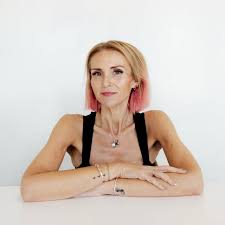
Christina Alonzo is a mother, content creator, and Sonoma County local who has walked through more grief in the last few years than most people face in a lifetime. From losing babies to navigating a sudden and devastating brain cancer diagnosis in her husband Curtis, she has shown up with remarkable honesty and grace at every turn. In the past year and a half, she has also completed a transformative 200-pound weight loss journey that changed not just her body, but the way she moves through the world. She is raising her daughter Addie with Curtis’s love still at the center of their home
Full Transcript:
Christina Alonzo: We only get one life, and we don’t know when that invisible clock is gonna run out, and so you have to make time for people and for things that are important to you. And I am not wasting any more time worrying about things that aren’t necessarily important. And yes, I need to make sure that I have money to pay all my bills. But I’m also not stressing out about eating at a restaurant that costs a little bit more money, or buying Addie, something that is frivolous or whatnot, because I want to enjoy the life that we have here, and we’re not going to take it with us. We can’t take anything with us, and so we’re going to enjoy the time that we have, and make those memories.
Heather Nelson: Welcome to Her Story Unscripted. I’m your host, Heather Nelson, a connector, business strategist, and someone who truly believes that the most powerful conversations happen when we stop performing and start being real. This podcast is a space for women to share honest, unscripted conversations about life, growth, and the experiences that have shaped who we are. No perfectly polished narratives, no pressure to have it all figured out, just real, authentic stories told exactly as they are.
Hello, everyone. Welcome to Her Story Unscripted. I’m so honored to have Christina here. Christina was actually on my previous podcast. I looked it up, and it was almost three years ago, March of 2023. So much has happened in your life. One of the things that I really wanted to have you on again, not only because you’ve been through a lot, but your story has always just been inspiring to me. I think you and I had met, and you were on the podcast around influencers, and you know that world, and how you’ve navigated that. And you also have gone through three deaths with little children, babies and all of that. So if anybody wants to go back and listen to that, that is an incredible story in itself. But you’ve gone through a lot in the past three years, and you still show up. I know you probably have your ups and downs in life, but you’ve always stood out as someone inspiring to me. I was like, I have to have her back on the podcast and hear all about what you’ve been up to, and how you’ve navigated such a hard time in your life again.
So Christina, welcome to the podcast.
Christina Alonzo: Thank you. Thank you for having me. Yeah, it has been quite an adventure. So much has happened since I was on the podcast last. So I guess for your audience, if they want to go back and listen, we did talk about my boys in the previous podcast. But since then, we have navigated so much more. So in November of 2024, we received a pretty life-altering diagnosis for Curtis. It was just a normal weekend. We dropped Addie off at my mom’s, we did weekly date nights, and we dropped my mom off at Addie’s and went to sushi, and Curtis just randomly got sick. I thought he had the flu. And that weekend, he just seemed a little off. He said he was tired, he was sick, like stomach flu type sickness. And he said he just felt kind of off, kind of tired. That was Friday night. Saturday, I noticed that he was walking a little weird, but he said he was just tired. And each day, there were just things that seemed a little off, and I had said I wanted him to go to the doctor. And he said no, he was just tired. And he went to work Monday morning, and my gut just said that something was wrong.
And Tuesday, I tried to get him to go to the doctor, and he would not go. And Tuesday night, he put our daughter to bed which he did every night. He said her bedtime prayers, and they did not make sense. And of course, she was little, and she didn’t notice anything. But I did. We came out of the bedroom and I said something was wrong. My background is in senior care. I was the executive director for Senior Living Community for quite a while, and I said, I’m not trying to be mean, but you are showing signs of somebody who possibly had a stroke. And I said, we need to go to the doctor. And he’s like, no, no, no, I’m fine. And we went to bed that night. And Wednesday morning, I said, we need to go to the doctor. And he’s like, no, I have to go to work. They need me, blah blah blah. And I said, if something is wrong, you’re not going to be any good to anybody. We need to go to the doctor. And he’s like, no, I have to go to work. And he went to work. And all day, I felt sick to my stomach. I knew something was wrong. I had called my mom and I was like, I have to get him to go to the doctor. I know something is wrong. And so I brought my daughter to my mom’s house. And when he came home, I was like, we need to go. I’m hoping that they just tell me that I’m crazy. But something is off, and we need to go. And he said okay.
And we went to the ER, and the doctor’s like, why are you here? And he was like, I don’t know. I’m fine. I told the doctor everything that I had been noticing, and I went back Friday, and told him the symptoms. And the doctor was like, sometimes when men show these symptoms, it could be a UTI. And I was like, oh, I knew that. I worked in senior care. I knew that. And then I was like, oh, he just has a UTI, duh. It’s easy. And they ran a bunch of tests, and the doctor came in and said, I’m sorry, but we found this massive brain tumor. We are going to transfer him immediately to San Francisco. They started him on steroids, sent him to San Francisco and did a biopsy because they suspected that it was cancer. But they had to do the biopsy first. And sure enough, it was glioblastoma, which is brain cancer where his tumor was located, and how it infiltrated his brain. The tumor in his brain was not operable. So with glioblastoma, even if they could have surgically removed the tumor, it’s not a matter if it comes back, it’s when.
So best case scenario with chemo, radiation and removal of the tumor, we were looking at maybe five years. We chose chemo and radiation even without surgically removing it, kind of as a hail mary. Curtis was young. He was 44 in perfect health. Other than that, he never even got a cold. He ran for fun. He rode his bike to work every day just because he wanted to. And so given his medical history, we thought that we should try. I thought we should try, and so we did. We did one round of chemo and radiation, and the cancer was contained. It didn’t spread anymore, which was good given how aggressive glioblastoma is. But unfortunately, that wasn’t enough. And from the date of diagnosis until the date of death was four months. Glioblastoma is very aggressive, and it was spread pretty much to his entire brain. It was a miracle that he wasn’t showing any symptoms prior to that weekend. What the oncologist and the neurosurgeon believed was that the swelling had gotten so bad, and that’s why he started to show symptoms. Typically, people find brain cancer because people are having headaches, or seizures, or losing balance. And remarkably, he wasn’t having any symptoms prior to that, or maybe not. Maybe if we could have caught it earlier, we could have–
Heather Nelson: How long do you think that he had had it? What was it that triggered it? But that would make sense, that it swelled.
Christina Alonzo: I believe now that he may have started noticing some symptoms in July. There are things now that I see that I didn’t see at the time. Curtis kept a journal, and he did write down a few times that something felt off, but he wasn’t sure what. And the first time he mentioned that was in July. Our son left for the police academy in July, and I went with him to move into his apartment that he was going to be living in during the police academy. Curtis didn’t go, and he had mentioned in his journal that we had taken Tommy to Chico, and that he had stayed here, that he was feeling really tired and off. Something fell off in his brain, but he wasn’t sure what that was. And so I believe that he started to feel different in July, but he didn’t know what that was. And then there were just other things now that make sense. You just chalk up to everyday life to work with small children and be good. Now I see that I just didn’t pay attention to much at the time.
Heather Nelson: And I feel like men are so, like you were saying, it took him a few days to even go to the doctor because they’re like, it’s fine, it’s fine. You’re like, no, something’s off. And it always takes them so long to be like, okay, let me go get help.
Christina Alonzo: And just like other things too. The kids and I talked about after, my birthday was in October, the diagnosis was in November, and he always made such a big deal out of holidays. He made everything so special. And every birthday of mine, he would decorate the house. He would go over the top with gifts, and he had been asking me what I wanted to do for my birthday. And I was like, nothing. Nothing, I don’t want anything. I don’t need anything, like. If I want something, I buy it. It was not a big deal. And he didn’t do anything for my birthday. This was the first time in 10 years he didn’t do anything for my birthday, and I didn’t think anything of it because I had said over and over, and over that I didn’t want anything. I didn’t need anything for my birthday, and so I didn’t think anything of it until after. And I was like, he would have never not done anything for my birthday. But I think after the fact, I thought about it like he didn’t think about it. It seems like after the diagnosis, I started noticing his short-term memory was all gone. I still play this game where I think about how long has his short-term memory been gone, and how much was just he memorizing, or how much was long-term memory because his long-term memory was intact. They told him he had brain cancer, that he wasn’t going to work, and he couldn’t retain that information, which almost was a blessing in disguise. He knew who we all were. He could tell you dates and things from the past, but he had no short-term memory.
Heather Nelson: In the four months, what was life like? Was he able to be bedridden, or was he able to go out and do things?
Christina Alonzo: He declined very, very quickly. So the day we went to the ER, he drove himself to work and home. He went in, they took him to UCS to, I can’t remember, we’ve had so many hospitals. He went to San Francisco to CPMC and had a brain biopsy. And it seems like once they messed with the tumor from there on out, he declined. He had trouble walking. His balance was really bad. He ended up having two massive seizures. He ended up with a pulmonary embolism. He declined very, very quickly. The chemo and the radiation did a number on his body, so he really didn’t walk much again. Maybe with my assistance, he could walk a little bit for maybe the first two weeks that he was home, but I mainly provided all care for him. He was at home. He was in and out of the hospital quite a bit, but he was mainly at home. With the brain biopsy, he spent like four days in the hospital. And then after the seizures, he spent a few days in the hospital. But he was mainly at home. And then when we found out about the blood clot, he was in the hospital for a few days, and then we brought him home. After that is when we chose to just do comfort care instead of continuing with the chemo and radiation. And then once we chose that, he was only in hospice for four days before he passed. And that was in March of 25.
Heather Nelson: If somebody was listening to this right now and is going through something like this, what advice, or what were some of the things that helped you get through this time?
Christina Alonzo: I think just taking in every moment that we had, even as hard as it was to watch him go through what he was going through, it was an honor to be able to take care of him at that time. I know that he would have done it for me in a heartbeat. I told my older kids that it’s a good lesson that you don’t marry somebody unless you’re willing to change diapers, feed them, give medications around the clock, and hold their hand while they are literally fighting for their life. Because it is hard to watch somebody you love go through something like that. And also take care of a toddler who does not understand why their dad, who was so full of life, can’t talk. She would say, why isn’t Dad talking to me? She would ask him to put on her shoes, and he physically couldn’t do it, and that was so hard for her because she didn’t understand why he couldn’t do it. Navigating her grief on top of my own, and going through it in real time, there’s always that question, is it better to have somebody die suddenly or watch them die? There’s no right answer. We went through it, we watched him go through it, and it was hard to watch somebody so healthy and full of life lose that.
And there was moments of clarity, like I said, I think there was like a blessing in disguise that he didn’t understand what was happening because I truly don’t think his heart could have handled knowing how much in pain that we were all in because there was nothing he wanted more than for all of us to be happy. Everything he did was for all of us, and so I don’t think that he could have handled it. I think he wouldn’t have cared for himself properly if he knew how much it was hurting us. But there were moments of clarity, like a couple days before he passed, he said to me, he hoped that I knew how much he loved me and how much he was going to miss me. And that for me not to be jealous that he was going to be with our boys. There were moments where he understood what was happening. But man, it was a lot. But I think given the nature of my job, I was able to spend every minute with him. I was able to be there with him, and be the one to take care of him. He didn’t have to go to rehab. I got to be there in the hospital with him, and I got to be here at home and take care of him, and so I’m grateful for that as hard as it was.
Heather Nelson: You kind of spent that time with him before. You’ve been through a ton of grief. My heart, I just get chills listening to your story and knowing what you’ve been through. Is your perception of life different now?
Christina Alonzo: Oh, yeah.
Heather Nelson: Because I think where my head and my heart sit right now is that we are constantly in human nature complaining about things. Like, this sucks about this, or this sucks about that. Sometimes we take for granted our health or our relationships, and things like that. So I guess my question is, if somebody is listening to this and it feels that way, as somebody who’s gone through such traumatic grief, what are some takeaways that you could give us that would help us to look at life in a different light?
Christina Alonzo: Since Curtis has passed, the way that I see things now is that we always think that we have time, and we don’t. There were so many things that we wanted to do, or thought that we had time to do, or plans that we wanted to make, and even simple things like returning a phone call, or planning a barbecue with friends, or things like that. There’s always things that you think you have time for, because other things take your time first, and you just don’t know. And so this last year, I’ve really focused on just saying yes as much as possible. I understand that we have to pay our bills. Everybody has to work. We live in Sonoma County where the cost of things are astronomical, but we also only get one life. We don’t know when that invisible clock is going to run out, and so you have to make time for people and things that are important to you. I am not wasting any more time worrying about things that aren’t necessarily important.
And yes, I need to make sure that I have money to pay all my bills, but I’m also not stressing out about eating at a restaurant that costs a little bit more money, or buying Addie something that is frivolous or whatnot because I want to enjoy the life that we have here and we’re not going to take it with us. We can’t take anything with us, and so we’re going to enjoy the time that we have and make those memories. And we did a lot of traveling this last year, saw a lot of friends that we’ve been meaning to see, going places that we’ve been wanting to go, and also not stressing out about things that aren’t really important. Curtis was never bothered. I used to say he was calm to my storm because everything to me was always an emergency, always. He was never bothered by anything. And the ironic thing is that they say that glioblastoma brain cancer is caused by a shift in your dna, and a shift in your dna is caused by stress, which is funny to me because he was never stressed. I’m the one who is always stressed, and so I have been trying, which isn’t going that well for me, but trying to be less stressed by things, and just live more like he did. Less bothered by things that aren’t as important, but I feel like more of us need to say yes to more things. And I think it’s harder to do when you haven’t been impacted by such hard things. I used to tell him, ironically, all the time too, that he took his job very seriously, which is not a bad thing.
But one of the things that had impacted me a lot from his death is that we received a termination email the night he died from his corporate office. They couldn’t even wait till the next day. They closed out his employee ID and all of that, the night, the day he died It just goes to show, it wasn’t like his co-workers, I’m sure, miss him. I’m sure they know he did a good job, but it just goes to show that you’re just a number. You spend your whole life, dedicated 22 years to a company, and I get that email the day he dies, and that still bothers me.
Heather Nelson: It’s a perspective that you give, give, give so much to other people, or to a job, or to a company for them to just do something like that, and you’re like, what was all that for? What was all this stress for? What were all those endless hours for?
Christina Alonzo: And that morning, he was like, I can’t go to the doctor, they need me there. You know what I mean? You just dedicate so much of yourself, and then you’re gone, and they move on. And sometimes, that’s a hard reality. But it’s just the way that it is, especially in a big corporate company. It’s not anything against a person, he was a good person, he was a hard worker, but companies still have to keep moving forward. Your family is the one who misses out on the time, and misses out on the memories and everything else, and so I think if I had a piece of advice to give to people who are like that or like him in that aspect, they will just move on, but your family is the one who will be missing something and someone.
Heather Nelson: That’s such a great reminder, for sure. I know we just had this conversation the other day about just being able to own your own business or to do your own thing, and how much freedom there is behind that to be able to pick up your kids from school. And yes, it’s stressful. But there’s so many more benefits to doing your own thing so thank you for sharing that. I know obviously that that is super triggering for you, and I appreciate you being open and honest about it. Because I do think I know a lot of people right now that are struggling with a spouse or a friend who’s battling cancer, and so I guess, my last question before we move that conversation is, as somebody who was in it, the thick of it, any advice for the people outside in your community, or your friends, or your family of ways to support a situation like that, and a hard time like that how we, as our community, can support them?
Christina Alonzo: Yeah. My number one tip is to just show up. I think that the hardest thing is sometimes you feel like you don’t know what to say, or don’t know what to do, and so you do nothing, and that makes people feel like you don’t care. And even though that’s 99.9% of the time not the case, when you say nothing and do nothing, that is hard. And so sometimes, even saying I don’t know what to say, or I don’t know what to do, but I’m here for you, or I’m thinking about you, or I love you goes a long way. Because when you do nothing or say nothing, that’s hurtful. And so even just saying that you don’t know what to do or say makes a big difference. And when somebody is in the midst of the thing, they don’t know what they need. And so asking them to make another decision is really overwhelming. So saying like, let me know if you need something isn’t helpful. And so if you know somebody who loves coffee, just drop it off on their doorstep, or send DoorDash with a coffee, or a meal, or whatnot. Because when you’re in the thick of it, you can’t make those decisions. And that I feel like that goes for when they lose somebody, lose a child, lose a spouse in the thick of postpartum, in the thick of dealing with a cancer diagnosis, just send whatever it is. Send a card, send the coffee, send the sandwich. Because asking somebody to make another decision can be so overwhelming because they don’t know what they need. They can’t even think clearly. And so having to think about anything else feels too overwhelming, and they’re not going to ask for the help, and it just feels like one more task on their plate.
Heather Nelson: Such a good reminder. Thank you for that. You’ve gone through an incredible weight loss journey. How much weight have you lost?
Christina Alonzo: Over 200 pounds, like insane. Like insane.
Heather Nelson: What was the point for you? How long have you been on this journey?
Christina Alonzo: Since October of 2023.
Heather Nelson: It’ll be three years this year.
Christina Alonzo: So in October of 2023 I started taking Semaglutide, a GLP-1, and I still am taking that. I am doing it for maintenance now, and the question I always get is, why am I still taking the GLP when I do not want to lose any more weight? And the short answer for that is I am doing it for the food noise. My biggest issue is that I have uncontrollable food noise, and I would not stop taking my medication for my thyroid. I would not stop taking the medication for my anxiety, and so as long as I can, I will continue to take the GLP for the food noise. I work very closely with my doctors. I get my labs drawn regularly just to make sure that everything is in line, and I stay on the GLP to manage that as well.
Heather Nelson: So obviously, you’re a supporter of it. I think it was one of my last few episodes of the last season, I had someone on who also went through that journey, but also created an app around it. I learned a lot about it because I think there’s a lot of stigma behind it. Everyone’s like, oh, you can just take a shot and then lose this weight. Or how you’re gonna have to continue taking this medication for the rest of your life. Also, there were so many things. But the one thing that I took away from that conversation was the food noise, and I’m like, oh, that’s really a thing. And then the more that I thought about it, I was like, oh, yeah. I’m constantly, what’s for dinner? What am I having for lunch? Oh, we’re going out to dinner. Let me look at the menu. I’m constantly thinking about food, and I’d never even thought of it. So for me, that was like a huge wake-up call why people take it.
Christina Alonzo: Yeah. So unless you deal with that, it’s not something people even realize, right? And people are like, oh, well, just don’t think about it, or just count calories or macros. Well, that makes it worse. Because when you battle with food noise and you do something, like count calories, then you’re constantly thinking about that even more. So what am I going to eat? How many calories is that? Then it gets even more constant. So one of the things for me with this journey is that food has no moral value. Food is not good or bad. Food is just food. It’s supposed to be meant for just fuel. And one of the things that I’ve been able to do this time around is that I’ve been able to use it that way, which I’ve never been able to do before. Because I’ve done lots and lots of diets before. I’ve lost weight before. I’ve lost a significant amount of weight before, but it’s consumed every part of my life. And it’s been extreme because the noise has been constant. It’s been, what can I eat? When can I eat? How much can I eat? Weighing and measuring. Where can I go? People would ask, what can you have? Now, I can have whatever I want when I want if I want something. Or if I don’t want something, when I’m full, and when I’m hungry, which has never been a thing before. And honestly, I feel like if it wasn’t for the tool of the GLP, I would have probably put on the weight that I lost when Curtis was sick and when he had passed, because food has always been an emotional thing for me.
Heather Nelson: Totally. How do you feel your mental state is now that you’ve lost weight? Do you feel like a whole new person? Because I know, especially when we’re a little heavier, we have all these thoughts about ourselves, right? How has your mindset changed since taking it?
Christina Alonzo: Going back just really quickly, if I can to Curtis, I also feel like if I hadn’t lost the weight, I would not have been able to care for him like I did, and so I would not have been able to lift him. He was tall and big, and I would not have been able to push him in the wheelchair like I was. I would not have been able to get him in and out of bed and move him to change the briefs, and to get him into the shower, and out of the shower, and do all of those things at 300 pounds. There would have been no way I would do it to physically care for him like I needed to when I was heavy. I didn’t even think about that, that needed to happen in order for me to be able to physically care for him. I used to be one of those people who said everything happens for a reason. I don’t necessarily believe that now. There’s been too many shitty things that have happened, I think, that sometimes bad things just happen. But I do think that you can find meaning and find positive things that happen from those shitty things.
One of those examples that I’ve given recently is that Asher lived 18 days in the NICU before he died, and that was just a really shitty thing. He had a very rare genetic disease that not a lot of people have had. There’s only been a handful of cases worldwide. It’s just one of those freak things that have happened. Curtis and I weren’t carriers, it was just one of those really bad lucks to draw things. He was on ECMO, the highest form of life support, which led Curtis and I to have some really tough conversations about life support and end of life care, and things that normal people in their late 30s and early 40s don’t have, especially when they’re that young. People just don’t have those conversations, and Curtis and I had a lot of those conversations about, what would happen if we were in a coma? What would happen if this or that? What we would want. Normal people just don’t have those kinds of conversations, especially when they’re so young, and we had a lot of those conversations while Asher was sick, and after Asher had passed.
So when Curtis got sick and his short-term memory was gone, I had to make decisions for him on what kind of care he was going to have. I knew exactly what he would want because we had those conversations. And if Asher hadn’t been sick, and if we didn’t go through that with Asher, I might not have known exactly what he wanted. We were together for a long time, so I knew generally what he would choose. But I knew exactly what to do for him because we had those conversations, which we might not have had yet because we were still so young. But because we had been through that together, I knew exactly what to do. And now I still like, did I do the right thing? Because it’s just human nature, but I know that I did. I know that he would have wanted me to try with the chemo and radiation even though we know it was a hail mary. I knew he would have wanted me to try, and I know that he wanted me to stop when we did. I know that I made the right choice even though sometimes I still question it. But if we wouldn’t have gone through what we went with Asher, we might not have had that conversation yet. Because usually, people wait until they’re later in life to have those kinds of tough conversations, which is another good reminder to have those conversations because you just don’t know.
Heather Nelson: But nobody wants to have them, right? It’s that uncomfortable conversation. Nobody wants to think of that. But how much more set up for success would you be if you had that conversation?
Christina Alonzo: Yeah. And it is uncomfortable. You don’t want to have to have those conversations. But again, we aren’t promised tomorrow.
Heather Nelson: Yeah. Such a great reminder. Christina, what’s life like now for you? What I mean, obviously, I’m sure you have good and bad days, but what is life like now with you and your daughter?
Christina Alonzo: So we are trying to just live in the moment, enjoy life as much as we can. Addie, she misses her dad quite a bit. I mean, we all do. We try to keep his memory alive as much as we can. We are so grateful that I have the job that I do because we have documented so much of our life, and so we have so many videos and photos. And Curtis was such a great dad. He reads to her every night, and we have all of that. He would just record, it’s almost like he knew, but he didn’t know, if that makes sense. He would read to her, and he would just set up the camera and record himself reading to her. We have her like Yoto box him reading to her so he can read her bedtime stories still. She’s only four, but she talks about him, and we try to keep his memory alive as much as we can. Her and I just try to enjoy life as much as we can, make those memories, and do things that he enjoyed. We still try to keep the family dinner with the big kids and things that were important to all of us, and say yes as much as possible.
Heather Nelson: My last question for you is, what is that one thing, that one takeaway, you’ve given us so many takeaways, there’s so many things that I’m just like, yeah, put in perspective things. What’s the one thing that you think someone needs to hear from this conversation today?
Christina Alonzo: Just say yes as much as possible. Enjoy the time that you do have. That’s been my biggest takeaway from all of this is, just say yes as much as possible.
Heather Nelson: Christina, thank you. Thank you for again being open to the conversation. I know that you are going to help so many people that are going through a situation like this, or even listening to this story. And if that happens to them, how they can manage it, or even just have a resource to reach out to. I think the other thing is like building this community of women who have gone through hard things and be like, shit, I’m going through this too. Who can I reach out to get support from, or get advice from? I just want to thank you for sharing your story. Again, I love watching you, and all the things that you’re doing. You look incredible, and I’m just so honored to have you here today.
Christina Alonzo: Thank you.
Heather Nelson: That’s a wrap on today’s episode of Her Story Unscripted. If something you heard today made you feel a little more seen, a little less alone, or just got you thinking, that’s exactly why we’re here. If this episode resonated with you, I’d love for you to share it with another woman in your life who needs to hear it. And if you haven’t already, make sure you subscribe wherever you listen, or catch us on YouTube so you never miss a conversation. I’m Heather Nelson. Thank you for being here, for listening, and for showing up for real stories. I’ll see you next week.
It started as a normal weekend. By Tuesday, Christina Alonzo was sitting in an ER telling the doctor everything she had been quietly noticing for days. By Wednesday, the diagnosis was in: glioblastoma — an aggressive, inoperable brain cancer. Her husband Kurtis was 44 years old and had never even had a cold. From the date of diagnosis to the date of his death was four months.
In this episode of Her Story Unscripted, Christina Alonzo returns to the podcast three years after her first appearance to share the story of the year that changed everything. She opens up about becoming Kurtis’s full-time caregiver while raising a toddler, navigating impossible medical decisions, and the termination email from his employer that arrived the very night he died. She also shares the story of her 200-pound weight loss journey — and how losing the weight became something far more significant than she ever expected when Kurtis got sick. This is an honest conversation about grief, love, and what it actually looks like to keep living when someone you love is gone.
For any woman who has ever taken time for granted, avoided a hard conversation, or wondered how anyone survives something this big — this episode is an unscripted reminder that life is shorter and more sacred than we let ourselves believe. New episodes every Thursday on all major podcast platforms.
Episode Highlights:
- 00:00 Cold open — Christina on the invisible clock
- 00:49 Heather introduces Her Story Unscripted
- 01:15 Welcoming Christina back — three years and a lot of life later
- 02:21 The normal weekend that wasn’t — Curtis gets sick
- 5:28 The ER visit and the diagnosis — glioblastoma
- 7:15 Choosing chemo and radiation — a hail mary for a 44-year-old in perfect health
- 12:18 How quickly he declined, and what caregiving looked like at home
- 14:18 Curtis’s death in March 2025 — four months after diagnosis
- 18:55 What helped Christina survive this season
- 22:13 The termination email the night he died
- 27:22 200 pounds lost — and how the GLP-1 journey intersected with Curtis’s care
- 25:10 How to actually show up for someone in grief
- 36:10 Life now — Addie, memory-keeping, and saying yes
- 38:03 Christina’s one takeaway for the listener
Full Transcript:
Us, as women, we feel like we have to show up and say things a certain way. We are told, and we’ve grown through life being quiet, that we can’t speak our mind. That men always led first, and it was this like no-no of women being authentic and talking about their story.
Heather Nelson: Welcome to Her Story Unscripted. I’m your host, Heather Nelson, a connector, business strategist, and someone who truly believes that the most powerful conversations happen when we stop performing and start being real. This podcast is a space for women to share honest, unscripted conversations about life, growth, and the experiences that have shaped who we are. No perfectly polished narratives, no pressure to have it all figured out, just real, authentic stories told exactly as they are.
Hi everyone, welcome to Her Story Unscripted. My very first episode under the new brand, and I am so excited. I have so much to fill you in on. I have so much that I want to talk about, and so welcome. Buckle in, grab a cup of coffee, grab a water, go out on a walk, whatever it is, tune in. I’m just so excited. I am so full of joy, and I’m just gonna dive right in.
So if you’re new to the podcast, welcome. My name is Heather Nelson. Formally, my last podcast name was Life Conversations With a Twist, and we will talk about what that entails. But I just redid my whole entire podcast. The concept will stay the same. The name is different, the brand is different, and the goals are so much more different, and so I’m just so excited. This has been so much work, and I will dive into what that looked like. But again, if you’re new, I have been podcasting for five years, so I don’t even know where to start.
So let’s fast forward five years ago where the concept of me being a podcaster even came about. So if you don’t know my journey, I have been in the hospitality space for over 25 years. I’ve worked in hotels, restaurants and rental companies. I’ve supported so many different people in our industry. And what kept happening is, every time I would show up to a meeting, I’d sit down, I’d meet someone for the first time, usually women, and we would get to talking and getting to know each other, and then they would tell me their whole entire life story. I mean, things that they might not have shared with other people, but I’ve created this energy to allow people to kind of tell me a lot. I’ve always been the sound reward for not even just women and what they’ve gone through, but just in life. I’ve built enough trust for people to rely on me to tell me things, or to have candid conversations around how they feel, or how they move forward. So I’ve always had this kind of coaching mentality.
Actually. I remember specifically sitting in one lunch meeting, and I had a girlfriend friend through industry, but also became really close to tell me about her journey with her child who had autism and learning disabilities, and all the crazy things that her life had, that she had gone through. I just sat there thinking to myself, man, so hard. Especially coming from a place where I haven’t experienced anything like that. But there was this moment in time where when she was telling me her story, I’m like, there’s got to be other women that are going through the same thing. And not only in just the situation, but all the conversations I had over the years with all of these women about certain things that have come up in their life, whether it’s losing their child to cancer, or a victim of sex trafficking, or divorce, or career changes, or hard times with their children, whatever it might be.
Us, women, we go through a lot, and we’re not alone. We’re not the only ones dealing with this, so I’m like, how can I create a space where I have women who are ready to share their story, to talk about what they’ve learned, to talk about their journey. And also, I think the most important thing is how they’ve come out on the other side? Because sometimes when you’re in the mess of a hard situation, it’s really hard to see the other side, and how a positive thing could come out of something so horrible, or something so hard, or something so challenging. But there’s this beautiful moment that happens on the other side where growth happens, and empowerment happens. And so, how can I create a space that we can have these conversations and be able to inspire and empower other women who might be going through the same thing? Or to create a space where, oh, my gosh, this lady has gone through this. I would love to connect with her. Maybe she has resources on how I can get through X, whatever the situation might be. So that is really the brainchild and the heart that I wanted to come to the table with these podcasts, and these interviews, and these guests.
So five years ago, I was like, I had this idea. I want to be a podcaster, and how do I create conversation? So that’s where the name Life Conversations With the Twist came about. The reason why it started that way is because ideally, what I had envisioned for the brand was come over to my house, let’s sit down in my lounge with a glass of wine, and have these conversations. That’s what I really wanted. That feeling to be, and that twist was that one hard thing that you had gone through.
Fast forward five years, I’ve had over 200 episodes. So I’ve interviewed about 160 women all over the world. A lot of my guests have been here, local to Sonoma County, which is where I live. But then also, I’ve expanded all over the world, and it has been truly something so special to me. Because not only has it inspired me, but I get DMs all the time. Or I see people out and about, and they’re like, your podcast is so inspiring. It’s what I need. It makes me feel less alone. And so that is why I’ve continued to do it. So to be super transparent, I’ve never loved the name Live Conversations With a Twist, for some reason. When I say it, it was just too long. And when you hear it, you kind of understand maybe what it’s about. But I really wanted the new brand name to be something that I can say one time, and you know exactly what you’re going to show up, and what this podcast is all about.
So this all started about a year ago. I had this idea, I really think I do a rebrand. I just want to elevate it again. After you’ve been podcasting for five years, every single week for five years, the consistency, I have that down. But where I really wanted to see growth is to make this podcast even bigger, even better, have even more crazier stories on. I want to broaden my reach. I want this podcast to go international and beyond. I really want it to be this thing that I’m known for.
I’ve been battling with certain parts of my career. I still love leaning in. I also own a business called the Connection Hive, which is all about helping and supporting small businesses in the hospitality space, create some strategy, and know how to move their business forward creating relationships and collaborations. And so I’ve been doing a lot of work in that. But when I really sit with it, it’s something that I’m passionate about, and I know I have so much experience and so much to share with the world, but there was still something missing in my heart. I also have an event labor company, which is called Set & Strike, and that is an event labor company here in Sonoma County, Napa County. We support people in our industry for labor needs. So we work with a lot of wineries, venues and festivals, and anybody who needs labor support. I love that business because it keeps my foot in the door in hospitality, and it allows me to be a business owner, learn, and do payroll, and kind of feed that entrepreneur soul that I have. And so that has been so fruitful, and I love it.
It’s been our biggest money maker in all of our businesses, so I’m continuing to lean into that. But I was struggling last year . What is next for me? The connection hive, I love, but it wasn’t fueling the soul. Set & Strike is great, but it’s again, not something that I’m super passionate about. So the podcast is something that I’ve always been passionate about. It’s something that I truly love. It’s something that, every time I interview a woman, I feel like she is on my podcast that day for a reason. Whatever it is that she is gonna pour out into my guests, she’s like pouring into my heart, and it’s exactly what I need in my life for that day.
And as I’ve been transitioning into this new brand, I haven’t been interviewing as much. I just started this last week of interviewing again, and my heart and energy is so different. I didn’t interview for like three months, and I was like, God, something’s missing. There’s not that drive there anymore. There’s not that passion there. I’m like, what is it? And I realized that it’s all about not having my people, my interviews. I didn’t have anybody here to feel my cup, and so that’s when I really knew that podcasting is where I want to be. I am such a curious person by nature. I love having conversations with women. I love having hard conversations. I love learning. I love asking questions to peel back the onions to understand a little bit more about their story, where they come from, and what they’ve learned from it. I think that’s something that naturally comes to me, which is why I think podcasting is exactly where I want to be.
So as I sat here last year, I was like, I need to do something different. I was like, I just want to rip the band aid off and start fresh. I mean, I have so much content. I have so many amazing interviews that people will still have access to, but how do I elevate it? And so I was fortunate to get into this small mastermind class that I use to grow The Connection Hive and kind of build out that business. And they also offer a rebranding package. I’ve been working with them since, oh, I think it’s been since like November when we started the process. And what I loved about this process is it really made me sit down and understand what my mission is. What are my values? What do I need to lean into? Where do I want to put my energy? Who are the guests that I want to have on? What is the story that I want to tell? Who are my competitors? Who is somebody that I look up to? I want to not do the same thing, but use it as a foundation. So we did all this work, it was like pages, and pages, and pages of research, and really exploring everything. And so it was such a cool process to be a part of. And so once that’s done, which takes a while, it goes into the branding world.
And let me tell you, naming a podcast, naming a business is like naming your child. It had to be the perfect name. And I knew once I heard it, it was going to be like, yes, that’s exactly what it is. And I knew I wanted something with authentic and women’s stories. And again, how does the name of the podcast, as soon as I say it, people know exactly what it is? And so I think we had hundreds of different words, and one of the words that stuck with me was unscripted. So when I got my first list of names, I would go through and say, yay, nay. And the word unscripted kind of just sat with me.
I had lunch with one of my best friends, and she was with me when we got the first list. There were so many versions of authentic unscripted or something with her story, and so it was kind of her idea and us talking together to be like, ooh, her story unscripted. And I was down to a few others. I had them listed on my whiteboard for weeks, had it on my whiteboard in my kitchen because I wanted to keep looking at them, and I wanted to see which one resonated with me, and I landed on her story unscripted> And the reason I did that is because there’s lots of reasons. But I think the main reason was us as women, we feel like we have to show up and say things a certain way. We are told, and we’ve grown through life being quiet, that we can’t speak our mind. That men always kind of led first, and it was this like no-no of women being authentic and talking about their story.
I think back to all the shows that I’ve watched, like Queen Elizabeth, and they were so miserable, and they were so unhappy. So many horrible things happened to them. And you think about all these things that are coming out with the Epstein files, and women have been told to be quiet. Or whatever story they tell has to be a lie, or has to be made up. It can’t be the real truth. And so what I loved about the word unscripted is that it allows women to show up unscripted. And even when I interview a guest, I don’t give them a list of questions. I’m like, I might give them a topic that I want to lean into based on what I know about them, or what they’ve told me about them. But I really want it to be these organic, authentic conversations about their life. And I want them to show up unscripted. I don’t want them to show up and say, well, I have to say this because X, Y, Z. No, I want you to show up and be truthful, and authentic, and the real you, and so that is where the unscripted kind of came in.
And I, for years since I’ve been doing podcasting, every time I meet somebody and they talk about themselves and their stories, I’m like, you have a story to tell. We all have stories to tell. We all have journeys, we’ve all been through things, and some of us are worse than others. Some are really traumatic, or grieving, or a lot of messiness in between. But we all have a story to tell. And so that is where Her Story Unscripted came because I want a woman to show up and tell their story unscripted, authentic. Let’s be like, no bullshit. Let’s just lay it all out there, have those hard conversations and talk about the things that people don’t necessarily talk about or ask. And I am so willing to ask those questions. I feel like over the years, I’ve gotten better about how I asked them to make them feel comfortable. So that is the new name, Her Story Unscripted, welcome.
So again, still a similar concept to what I’ve done over the past five years. But really just a new name, a new look, a new feel, new fresh. You’ll start to see on my social media. I went through old graphics that I used or old old ways of doing things, and so it was kind of cool to explore the journey of where I was when I first started to where I am today. And I truly believe that us women can lead the world in a different place. And I think that there is something super special about women showing up and being their true selves to inspire and empower others. I think the more we do that, and the more we feel comfortable doing that, the more powerful we are together, and the more change can happen in this world. So that is my mission, and that is what I want to continue to do.
I keep putting out there in the world, I want to be like the next Mel Robbins. Not necessarily what her podcast is or what it’s about, but how she is known for. That’s what she’s known for. I want to be known as a podcaster. I have so many big goals in this podcasting space. I want to be the number one podcaster here in Sonoma County. I want to be a top podcaster. I want to be asked to interview people. I truly love this work, and I want to continue to do it, and so it’s been such a process.
Once we came up with the name, that was one of the things I fed the branding team is my colors, my feel, my looks, as you can see by my background, this is me. I love black and white. If you don’t know me, I love leopard print. I love green plants. So you’ll see a lot of that in my branding, and it truly feels like me. I can’t wait to get it out in the world. I can’t wait to continue to have these powerful women coming on the podcast to tell their story. There’s so much I see for this podcast. And taking a break from The Connection Hive and really leaning into the podcast, I know that it can be so much more. So you’re going to see more social media from me, you’re going to see more emails from me. This will be my focus. This is what I’m set out to do. This is the work that I want to continue to do.
I just want to say thank you. If you’ve been a listener through my last five years, thank you. Thank you for consistently showing up each week. What I really would hope from everybody here is that if you listen to an episode or you think some of these stories resonate with someone in your life, please share it with them. This is how the podcast grows, right? I think that my growth has been great, but I think I have room for so much more, and I’m on a mission to get there. So again, please subscribe to this, and share it on social media. Again, if there’s a story that resonates with you, put it out on social, get it out there, leave a review, do all the things to support. Because again, that’s how I’m able to grow. That’s how I can get even more amazing guests on this podcast, and so much more. So that is kind of what you’re gonna expect from me.
In my last podcast, I also did some solo episodes. Obviously, this is a solo episode, but this is my launch episode so I wanted to give everybody a little taste of what is to come, and what has gone on behind the scenes. So please continue to show up and support this. And there was a reason why I said that, and it will come back to me. But I’m just so excited. I’m just so excited. This has been such a process between the branding, and then the look and feel.
And then I got a photo shoot done. I got to work with my amazing friend Alicia Park, shout out to her, who’s done all of my branding photos. She came into my home because my home is a beautiful place, and it feels just like me. And so it was really fun to do a photo shoot here in my office and in my living room, and so I just am really thankful for her. And the vision she sees it is super exciting. So you’ll see more of that. I know what I was getting at.
I wanted to talk about the solo episodes versus the regular episodes. My mind is all over the place because I’m so excited. So it was Life Conversations With a Twist. I obviously interviewed mostly people, but I would pop in from time to time to do a little check-in. Or if there was something that happened in my life that I felt the need to talk about, I haven’t decided if I want to do that or not because most of my downloads and the listeners like the interview style. But I do think that there is some power in me talking through some of my own personal things.
If you, again, are new here, or just kind of tuning in, or haven’t listened to a lot of podcasts, I’m rooted here in Sonoma County. I have four children, a blended family. I have a stepdaughter who’s out in college. I have a daughter who’s in high school. A son in middle school. And a little four year old who’s in TK. I’ve been through divorce. I remarried. I’m working through a blended family. I have a biracial family husband. Our family is biracial. I’ve been through a surrogacy journey and about to go down my second. I’m an entrepreneur. I have two businesses. I’m a podcaster. I’m very connected to the community. So that’s just a little bit about me. I think there’s a lot of things that I’ve done that I think others can get a lot of value from, and so I still might pop on from time to time to do a little solo episode, maybe it’s like a check-in. I still haven’t figured out what that is.
I also have played around with maybe doing a little surrogacy season when I get through what we’re going through. That’s again another podcast. But I do think there’s a lot of value in having other people in the surrogacy space, whether they are a surrogate, or an attended parent, or somebody that’s in the health system, or an agency talking about what that is, because I think that’s another topic that needs to be talked about more. So those are all kind of in the works at the moment, but I’m here for this podcast. I cannot wait to see it grow again.
I am just so thankful for everybody who’s shown up and supported me. And if you’re new, welcome. I hope you enjoy what you hear. Again, reviews are super important. If there’s a guest in your world, or somebody in your world that you think their story needs to be heard, please have them reach out to me. I’m definitely open to any and all guests. I’ve been very lucky enough that I get reached out to on a daily basis with guests from all over the world, but I do find value, and there’s certain topics that I think resonate more. I have my pulse on what’s going on in the world. I have a pulse about what’s going on in our communities. I have a pulse on what women need right now. And so when I am finding guests, I really want to lean into what I know people want to hear, and then ask the questions that we want to know, so that is my focus on how I interview people.
So thank you again. I know I rambled. I hope I made sense again. There’s just so much excitement behind this new brand, and I already have so many episodes recorded that are coming at you. They will still be released on Thursdays. You’re gonna get so much social media and emails from me. Sorry, not sorry, but I just want to get the word out there and share these beautiful stories, so thank you again. I can’t wait to see you next week.
That’s a wrap on today’s episode of Her Story Unscripted. Is something you heard today made you feel a little more seen, a little less alone, or just got you thinking that’s exactly why we’re here? If this episode resonated with you, I’d love for you to share it with another woman in your life who needs to hear it. And if you haven’t already, make sure you subscribe wherever you listen, or catch us on YouTube so you never miss a conversation. I’m Heather Nelson. Thank you for being here, for listening, and for showing up for real stories. I’ll see you next week.