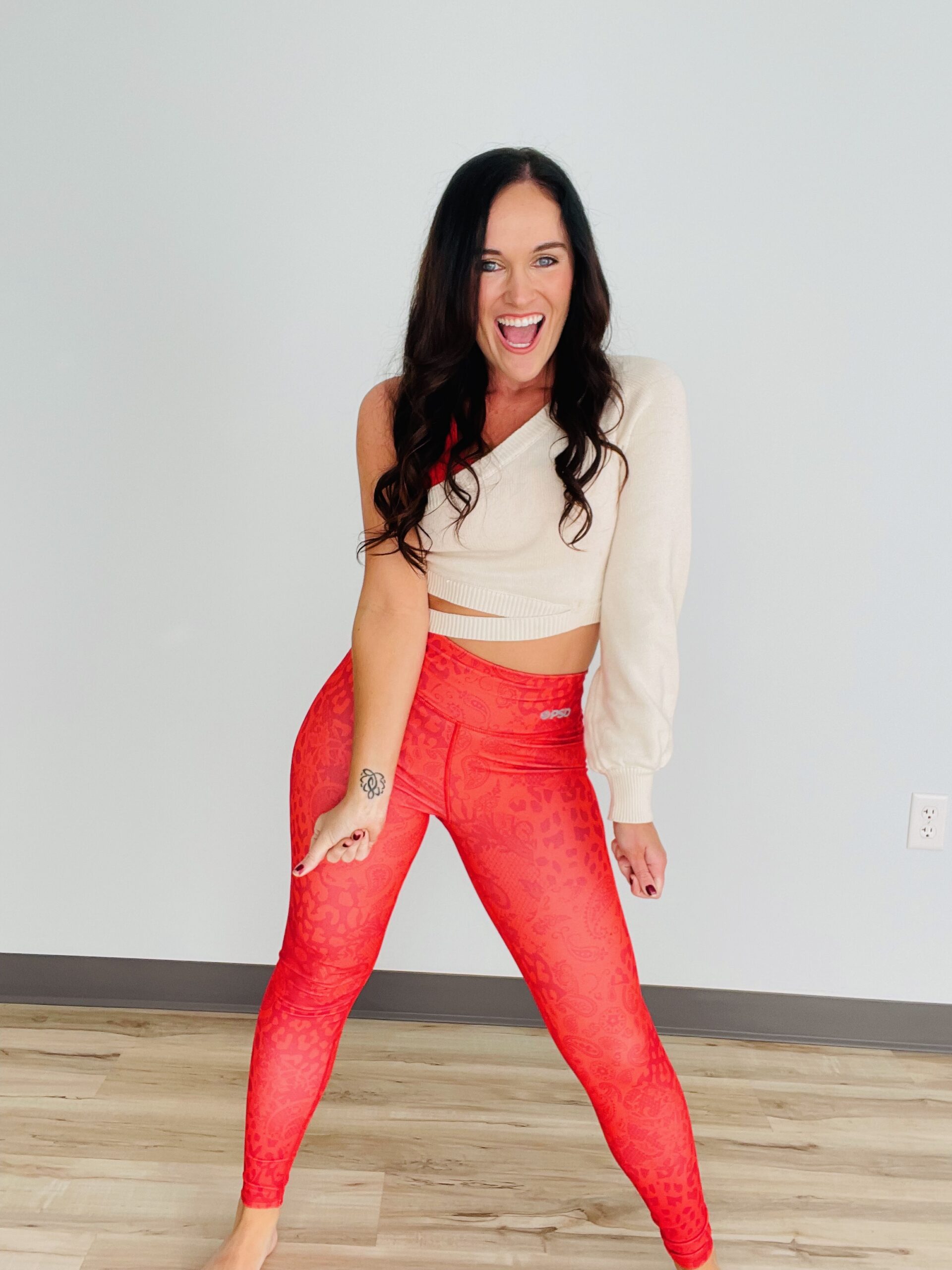
There’s something about watching someone rise that hits differently when you’ve seen the dark season that came before it. When I first met Darcey Elizabeth four years ago, she was a newly single mom trying to figure it all out — new city, new chapter, no roadmap. Watching her from the outside, you’d never have guessed how much she was carrying.
In this episode of Her Story Unscripted, Darcey is back to share what those four years actually looked like — the corporate pivot she thought meant she’d failed, the grief of losing her mom, the setback that had her sobbing in her boyfriend’s arms, and the slow, steady climb that landed her on stage in front of 10,000 people. This is a real conversation about resilience, belief, community, and what it takes to build something from the inside out.
If you’ve ever felt like going back to Plan A meant admitting defeat, or you’ve hit a goal so hard only to fall short and have to decide what happens next — Darcey’s story is going to meet you right where you are.
What We Talked About:
In this episode, Darcey and I talk about:
- The year she left her corporate job, moved four hours south as a single mom, and started over with just her son and a lot of uncertainty
- Why she made the “ego punch” decision to go back to corporate in 2024 — and how it ended up being the move that freed her
- Losing her mom to cirrhosis, and how grief became the turning point that made her choose health
- The month she missed her Arbonne rank by $2,000 and three hours — and what she did the next day instead of hiding
- What it actually feels like to watch women on your team walk across a stage, and why that moment means more than your own promotion
Episode Highlights:
0:00 Introduction — Heather welcomes Darcey back, four years later
1:57 Where Darcey was when they first met — single mom, new city, uncertain chapter
4:35 The decision to go back to corporate and why it felt like failure
7:29 Jumping into Arbonne, pairing it with personal training, and growing fast
20:28 Missing the rank by $2,000 — the setback, the tears, and the comeback
24:14 Walking across the stage and watching her team do the same
27:22 Both shows rebranding — the conversation about what’s next
Meet Darcey Elizabeth :

Darcey Elizabeth Burke is a Regional Vice President with Arbonne, certified personal trainer, nutrition coach, corporate finance professional, boy mom, and host of The Undeniable Expansion Podcast. She built her business to the Top 2% of Arbonne within just 13 months by focusing on authentic relationships, community, and helping women create real results in their health and lives. Through wellness, leadership, and entrepreneurship, Darcey is passionate about empowering women to expand beyond their current circumstances, build confidence, and create a life they truly love.
Full Transcript:
Darcey Elizabeth: You don’t get to decide if somebody wants to do something. I say this as somebody who was scared to ask or scared to jump in where we actually don’t get to decide for the other people, but we can present the opportunity or the podcast, or like with you with the sponsorship, always putting it out there. Because the answer is always NO if you don’t ask.
Heather Nelson: Welcome to Her Story Unscripted. I’m your host, Heather Nelson, a connector, business strategist, and someone who truly believes that the most powerful conversations happen when we stop performing and start being real. This podcast is a space for women to share honest, unscripted conversations about life, growth, and the experiences that have shaped who we are. No perfectly polished narratives, no pressure to have it all figured out, just real, authentic stories told exactly as they are.
Welcome everyone to Her Story Unscripted. I am so excited to have Darcy back on the podcast. We are trying to figure out, I think you were here back in like 2022, so forever ago.
Darcey Elizabeth: 4 years.
Heather Nelson: Did I say 2022?
Darcey Elizabeth: 2022, that’s four years ago.
Heather Nelson: You said 4 years. I’m like, whoa, we’re not that old girl.
Darcey Elizabeth: No.
Heather Nelson: But you and I met through a podcasting networking group because you also have a podcast, and that’s where you and I connected. We did a collab, and then I just follow you on social and still stay in your ecosystem. I have watched your journey of massive growth over the last few years, and so I was like, I have to have her back on to get an update, and just to see where you’re sitting in life. So welcome back to the podcast.
Darcey Elizabeth: Yes. I’m so excited to be here, and I also love watching your journey too. I feel like we’ve been on this together through our podcast, different avenues. So thanks for being here.
Heather Nelson: Yeah. We’re always constantly cheering each other on. It was funny that we’re recording today, because you are starting, I guess it’s like a month challenge, and everybody in the group is like, I’m from Vermont. And I’m like, I’m from California.
Darcey Elizabeth: We have California, Florida.
Heather Nelson: It’s cool. So back when you were on my podcast before, so four years ago, you were in a very different stage of life, and I do want to talk a little bit about where you were at that point. And again, your journey to where you are today. So remind me, your son is how old now?
Darcey Elizabeth: He’s 7, just turned 7.
Heather Nelson: Then, he was like three. He was little, and you were a single mom in it. You had just left daddy, and you’re in this unknown of, what’s next? You were working on your business, you’re doing coaching, and you’re podcasting. Talk about where that life has? Where you’re at today? How much has that changed?
Darcey Elizabeth: Yeah. I look back at that season of life, and I give her so much love because it’s because of her that we are sitting here today. But I will say that’s probably one of my darkest times in life? When I first became a single mom, I was really trying to figure it out, and I also moved. I also moved at that point down like four hours south. I was born and raised in Vermont, and I ended up moving down to Rhode Island. It was just me and my son. I kind of think it’s crazy now.
Heather Nelson: Did you move there because your family was there? Or did you just like, I need to get out of this environment, I’m out.
Darcey Elizabeth: Yeah. My family was in Connecticut, so that’s right by Rhode Island. I was close to them, but I also knew I wanted to be by the water. And as I was doing all this, I actually left my corporate job back then. I left my corporate job and went all in on podcasting, networking groups, and also was a Reiki master. I feel like I’ve lived like nine lives. One thing that I think some people don’t talk about this journey is I did have to go back to corporate. In 2024, I had made the hard decision to go back to corporate. I know that that was like an ego punch. But I knew at that point where I wasn’t my business, it wasn’t financially enough for supporting a child all by myself. And also, I was at this point in a newer relationship where we wanted to take it to that next level.
I don’t know if you know Massachusetts at all, but it’s expensive, just like California, so I had to go back to corporate. And that was like a whole thing where I almost felt like I failed. I felt like I failed. And I share this because of anything that helped me, because it gave me that nervous system release of that financial stress, and which allowed me to fully step into Arbonne in 2025. Beginning 2025, I jumped into it. I was like, you know what? I don’t ever play small. Me, I don’t play small when I jump into something. I literally absolutely loved it, and I paired it with my personal training certification. And here we are, 14 months later. I think it’s so cool.
Heather Nelson: What I can totally appreciate where you’re sitting right now, because as an entrepreneur, especially with my businesses, it goes with seasons. I was thinking a few months ago, I’m like, oh, my god, am I gonna have to go back and work for somebody else? Because my husband can’t work because he had back surgery, and so I’m kind of the one having to figure it out. I either do that, or I just work really freaking hard to either get a client, or to push their event labor business forward. That’s why I wanted to redo this podcast, because I want a podcast, like the rest of my life, I keep saying, I want to be like Mel Robbins. That’s what I want to be. I love interviewing women. I think there’s so much power behind us telling our stories. I’m like, if I gave more attention to this, what could happen? But it is, it’s such an ego thing. You’re like, oh, my god, dude, I failed. My business failed, my coaching failed, my podcast failed. But it’s not. It’s just maybe that’s a sign to regroup and find something that you’re more passionate about, and something that you can grow more into. And it sounds like that is exactly where you found yourself.
Darcey Elizabeth: Yeah. And for me, it was where my business was then. I wasn’t fully aligned. I wasn’t as passionate as I am now. Where now, I’m able to not only have so much passion for my business, but I was able to build it really quickly. I think because of taking out that financial pressure, it was a little bit more light. But also knowing that I wanted to be corporate forever. So it’s like those two sides of, okay, I’m able to breathe financially because I have a corporate job. But also, I really want to build this business big to obviously, one, help women. But also, two, help them bring more wealth into their home so they don’t have to be like me where they have to go back into corporate and have someone else dictate your schedule.
Heather Nelson: So you’re a full-time Arbonne now.
Darcey Elizabeth: No, I’m still in the corporate.
Heather Nelson: Oh, you are.
Darcey Elizabeth: I am. Today’s a wellness day. We got today off. It’s a wellness day, but I am still a full-time corporate. And the strangest thing is, Heather, is that last month, I was promoted, obviously in Arbonne. Oh, two months ago now, I was promoted in Arbonne.
Heather Nelson: Time to get to that. I want to talk about that.
Darcey Elizabeth: Yeah. I was also promoted at my work, so it’s a little weird season we’re in. But it also shows like, hey, you can do both. And we talk about what that actually looks like.
Heather Nelson: Yeah, exactly. I do want to touch on Arbonne because I’ve actually been using it for, I don’t even know, I was a, whatever you call it, a consultant. I sold it, but I was very under the radar just because, again, I like the product. And every time I would talk about it, everybody asked about it so I was like, well, I might as well make some money doing it. But I love the product, I love the protein. I love all of the fiber, the greens, all the fizz sticks and all that. I’ve always been a fan. How did you get into it? How did you discover it?
Darcey Elizabeth: Yeah. I actually was using it two years prior before saying yes to the opportunity. My upline kept saying to me, you should try this. You’re already on social media, you’re already doing the thing. Even if you use this as an affiliate, you should do this. And I was like, no, absolutely not. I don’t do network marketing. I always laugh now because I would throw so much shade. I bet on my podcast, I would throw shade somewhere in there. And now I’m like, oh, what a silly girl I was. But I was so against it because I was worried what people would think or say. I’m like, I almost had this mojo of like, I’m too cool for network marketing. And then it’s kind of funny now where I’m really into it, making way more than I have ever thought possible in my previous business adventures. So it’s funny.
Heather Nelson: It’s so funny. I wouldn’t say that I was against it, but I’ve done it all. I’ve done pleasure parties. I did like tastefully simple. I did obviously Arbonne for a minute, I kind of dabbled in candles for a second. I get where your mindset is, but it’s a great opportunity especially if it’s a great product that you believe in and you want to give to the world. I do think there is so much power in Arbonne, not only in health. But like what you were saying, what you’re doing for women, not only for their health, but also in a business structure. So you finally said, okay, I’m in. I’m going to do this. Talk about the growth, the immediate growth that you had, and what that experience was like.
Darcey Elizabeth: Yeah. You’re going to really relate to this. Where I jumped in, I was like, okay, I’m going to jump into this, but I’m going to do it my way. And what that looked like is I really centered it around community. And as you know when networking, community, and connection, that when you do that, people are going to have so much more results because you have that accountability. You have someone actually checking in on you. I also was very bold. I’m like, hey, listen, I’m here to make you hot, healthy and wealthy. And for some reason, when women are like, oh, she just said hot. I’m like, yeah, who doesn’t want to be hot? I just fully kind of been bold in it. And I remember the first month I joined, they’re like, hey, you’re about to be promoted to the first level. And like, oh, I haven’t set up how to get paid yet. I went into it so much like, I’m here to help serve. And I built a community with it while also pairing it with my personal training, so it kind of gave me this little bit of advantage to where I had a personal training clientele that I already had, and that’s what made me finally be like, yeah, let’s do this. I’m already talking about the products. And pairing that with actual community, both online and in person made it expand very fast. And one thing I’ve always been bold in is actually talking about the business and saying, hey, as moms, as women, we want to be able to say yes more, right? We want to be able to do things. I don’t know about you, but nice stuff, okay. And how cool are these products that actually work in changing people’s lives, their hair, their skin? Why not be making money from that? And from that, we grew quickly.
Heather Nelson: I love that. What I love about you is you’ve shown your health journey through it. You’ve been very bold to post photos of you before this journey started of the excess weight, the baby weight that never got shed. And I think there’s so much power in being able to be confident to say like, this is where I was. And because of this product, and because of the discipline, and because of all the workout, this is where I’m at. Talk about what that journey was like with your confidence in yourself because I’ve always thought of you as a confident person. You’ve always just had this energy. But to watch you on social now, and to see you show up in these cute little outfits, you radiate confidence. I’m sure this isn’t that easy, because it’s never easy for us. But talk about what that was like for you.
Darcey Elizabeth: I was the girl in college that took the F to not do the public speaking, like final exam. I was deathly afraid of any public speaking. If you told 20 year old Darcey that she had a podcast and was on stage in front of 10,000 people, she’d be absolutely not. That sounds like a horror movie. So it is one of those things where when I got separated from my child’s dad, you go through something after you have a kid, right?You go through this as we all know, postpartum gets weird, it gets funky. And as I’m going through that, I kept asking myself how would I want my daughter to feel, how would I want her to show up. And as I’m a boy mom, so looking like, say if I had a daughter, how would I show up for her? How would I want her to show up is something that I’ve kind of done these last few years. And one thing that we always tell our kids, we want our kids to have confidence. We want them to use their voice and be proud of their bodies.
But with being proud of your bodies, for me, it was I had actually to take care of it. I had a total thyroidectomy when I was 25. So now over 8 years ago, I remember reading something and I was like, well, if you have a thyroid issue, it’s probably because you went through a lot. You didn’t feed your body right, or you have trauma, all those kinds of things that could have happened. And I thought, hey, I want to make sure that I’m healthy for my son. And while all this is happening, and I’m trying to navigate single momhood, I lose my mom. I lost her to cirrhosis of the liver, and that was a moment where I had two different avenues where I could keep being that single girl. I’m saying like, whoo, let’s party. Don’t get me wrong, I love tequila every once in a while. But I was headed down a path that was not healthy and then I kind of asked myself, you have two ways to go right now, which way do you want to pour into? And I chose to be healthy.
Heather Nelson: What I also love about your current partner is the support that not only he brings to your business and to you working out, even the kids, right? If you follow Darcey, she always has this wall of stickies. I don’t know, is it dollar amounts? Or is it orders? I don’t remember what it is. Your family’s involved, and that I always admired that everybody in your family is supportive of this journey. Talk about that.
Darcey Elizabeth: So I wonder if the first podcast we had was if I was with him or not.
Heather Nelson: I don’t think you were because I think you were with someone, and then you broke up, and then you were single again.
Darcey Elizabeth: Yeah, that’s so funny. We call that a stepping stone. But anyway, when I say the man that I have now, I literally manifested. And what I mean by manifested, prayed, whatever you want to call it, I called him in. Because when you’re saying he supports me, that is something that I’m so grateful for someone who didn’t have that previously. But also with bringing my family along on this journey, it has been such an experience where I have helped other families do the same too. He wasn’t always for this. Let’s be for real. When I first signed up last year, he was like, what exactly is this stuff? But one thing I will always say, if you ever are struggling with your man to get on board with you, I learned like, don’t push on them, but just always invite them. And I do the same thing with the kids. And with that, he started using the products, and he lost 49 pounds. He’s big into motocross. He also got first place last year. We’re always joking like it’s like, oh, that’s less than 49 pounds. But just having him involved in this has helped me keep showing up, too. Because, as we know, life gets hard, things are going to come up, and having a supportive partner has been so beneficial in this growth.
Heather Nelson: Yeah. Even just you working out like a workout buddy, come along, let’s go work out together. There’s those days where you don’t want to, that they’re like, nope, let’s go.
Darcey Elizabeth: And you know what’s funny? I said the other day, I was like, when I say I manifest this man to the T, I did. But sometimes I’m like, oh, I want an accountability partner. But now I have it, you know what I mean? You’re like, oh, great. I actually have to go work out. It’s funny.
Heather Nelson: I love it. Okay, so with your new position at Arbonne, I don’t want this episode to be about Arbonne because, again, it’s a great product. But what I love about it is just your journey, and how physically and mentally this has helped you. You had mentioned that you just got on stage in front of 10,000 people and accepted, I know there’s like stepping stones, but where are you at now? You’re one of the top.
Darcey Elizabeth: Yep. So I’m at the third out of four levels, so top 2%.
Heather Nelson: That’s amazing. And just watching you walk across the stage and you even manifested that, because every year, you go to their annual thing. And you had said the previous year like, I will be X next year. And you did.
Darcey Elizabeth: Yeah. What’s really cool is that it was awesome to walk across the stage. That was such a great experience. And we can talk more about how I actually got the belief to get there, because that’s what I think is a big part of it. But what’s really cool is seeing women that I mentor walk across the stage, or their names on the screen. I obviously want to keep ranking up. But also seeing the ripple effect, there’s just something about that that makes it so much more like, I don’t even know how to explain it. You don’t even know until you’re up there watching, but I was bawling when I saw them and their names on the screen.
Heather Nelson: You show your spot as a leader, right? You’re able to lead a team and see these other women fulfill their dreams and their goals, right? I can imagine how powerful it is. I didn’t even think of that as a thing, but it is. It’s so cool. Talk about what your mindset was. Because one of the things is you have to qualify every month, you have to hit a certain amount of sales, you have to do it consistently for two months or something, right? I knew a little bit. But one month, you didn’t make it. And I remember you were so close, and what I loved about that is that you were so raw and authentic about how you felt in that moment. You even said like, I need a day to process. And you cried, and you were vulnerable. But you picked yourself back up, and then you just kept going. Talk about what that was like.
Darcey Elizabeth: Yeah. So how it works is you have to qualify one month and then close it out the next. So back in October, I qualified. And in November, I was going to close it out, and I was super close, we’re talking 2000 in sales. $2,000, which is like, that’s nothing when you look at this goal. And it came to a point where there was like three hours left, and I could have paid for it. I could have done a bulk order or something, and I had this moment of, do I want to show people that you rank up by buying it? No. And I had a whole team watching me too. And my whole team is watching my every move. It was really a moment that showed my leadership too. And yeah, I cried. I remember that I came home, because I was with the girls, and then I came home to my boyfriend. I just remember that I was literally sobbing in his arms. Because as a mom, I now have to explain that we didn’t hit the goal. There’s so much in it. But also, when you bring your family along, you’re also showing them that you don’t hit the goal. And with that, after a day of messy crying and all the things, I was like, I’m not the only one that hasn’t hit this before.
It was one of those things where I had a path where I could have just hide. I wanted to run away and just get off social media. Or I could get back up, and I could build better. And this is not even just for network marketing, but in general. When you have one of those setbacks, or even the season you’re talking about where you’re like, ooh, a lot of pressure. You get back up and build better, it is going to 10x more than you can believe. And that’s what happened. I screwed my team three times since November. And now too, as far as us on hitting volume numbers, it’s like a breeze. So hitting it the second time after going for it, there was not much pressure. We could do it like it was the very best way to do it. I now know why I didn’t hit the first time. I had to also get humbled because I came into the business like a wrecking ball and was just ranking, ranking, that had to get humbled a little bit. And with that, I had to show people like, you go again, and you try again.
Heather Nelson: I love that. How many people are on your team?
Darcey Elizabeth: We’re up to 33.
Heather Nelson: That’s so awesome.
Darcey Elizabeth: Yeah. They’re such a vibe. They’re a vibe. You can go to the coffee shop and work with them.
Heather Nelson: Are they all local to you?
Darcey Elizabeth: Nope, they aren’t. I have them all over. I have a couple of Canadian consultants.
Heather Nelson: I love that. What’s next for you in that part of the career?
Darcey Elizabeth: What is next? Okay, so next for me is, one, I’m also rebranding my podcast, so I’m excited about that.
Heather Nelson: That was my next question. We’ll go back to that.
Darcey Elizabeth: I’m rebranding the podcast, and I’m excited about that. But next for me as far as Arbonne, I am obviously going to go to the top 1%. I have this thing that I always say, that I’m going to go to the top, and I’m going to bring my team with me. So my goal is to be at the top 1% by this time next year. And then soon after that, get another woman to that one top 1%. So that’s where that goal is. I’m also really taking care of my body. Because I think the last time I did run, I got tired. You’re just doing the thing, and life was life. We lost a lot of people this last year, so really just making sure that me and my family are healthy too.
Heather Nelson: I love that. What’s your favorite product of Arbonne?
Darcey Elizabeth: Oh, boy. I am that one, they say that don’t be that obsessed person I am. I like the skincare, I like the nutrition, all of it. Something I don’t know if I could live without was, I do love Fizz. I’m a Fizz girl. I also love the GLP-1. I love their makeup too.
Heather Nelson: I used to wear their makeup. I used to do it all too. I was like, skincare, makeup. But that was also when I was making money doing it. I was like, I love all of their nutrition. It is by far my favorite protein. The flavors, I can just add it to coconut water. I don’t have to make a fancy shake every day, and I feel good.
Darcey Elizabeth: Yep. And you’re not gonna be all bloated. I just love it.
Heather Nelson: Yes. And for anybody who might be interested, obviously, we’ll send people where they can find you and be a part of your world and ecosystem, but you answer questions. I like questions about the GLP or certain products, and so I just want to thank you for helping, educate, because again, some people just dive in and just buy and they’re like, whatever. But some are a little bit more cautious, and so you answer all the questions. I just want to acknowledge that.
Darcey Elizabeth: Yeah. I think what’s different is that I actually check in, you know what I mean, whether you are a consultant or a customer, I’m making sure, like doing a check-in, not just on the products, but how are you doing? And I think that’s that goes a long way too in this business.
Heather Nelson: Yeah, 100%. I think you even mailed me something with a cute little sample of, oh, is the guava, the guava fizz. Which I was like, yes. I wanted to try it, so thank you. So that’s a yes, and I think that that’s what’s going to continue to keep you successful. It’s all those little moments. I talk about this in sales all the time. That’s what sales is. It’s about community, it’s about building trust, it’s about building relationships, and it goes with any industry. But especially with the work you’re doing, especially with mostly women, we need community, we need someone to say, I see you. Good job. Come join this community. So yeah, that’s part of your success.
Darcey Elizabeth: I think that is what has actually made me grow so fast, because I actually take time to have conversations with people and build that relationship. Some of my clients call it Darcey Mail. Those, every once in a while, where you open up your mailbox, old-fashioned, I know, but you open up your mailbox and there’s something there like, oh, that’s exciting, right? Those little moments that I think in this busy world that sometimes people stop doing, that’s something that I always want to do.
Heather Nelson: I love that you just made me think of something. Okay, talk about the podcast. You’re rebranding. Oh, my god, rebranding. Are you changing the name?
Darcey Elizabeth: Yeah.
Heather Nelson: It’s a whole thing, girl. I’m here for you, and support, because it’s a lot. What was the podcast name currently?
Darcey Elizabeth: Undeniable Expansion.
Heather Nelson: That’s the new one, that’s the new name.
Darcey Elizabeth: No, no, that’s what it is right now.
Heather Nelson: Can you say what it’s gonna be?
Darcey Elizabeth: Yeah, I’m going to the Darcy Elizabeth Show. So this is a business move where for instance, I was on stage. My name’s across the screen. But guess what? They’re not looking up at Undeniable Expansion, right? What are they looking at? Darcey. So that’s why I’m pivoting the name so people can find it. Because Undeniable Expansion, you’re not googling that, right? So that’s why I’m switching it to the Darcey Elizabeth Show. With that, it’s more of a personal brand where I’m not just, I hardly talk about Arbonne on it. I like bringing people like you on, or different health stuff, business stuff, all the different things. So it’s more of a personal brand where if I wanted to sell it, obviously, I could do a different name.
Heather Nelson: Got it. So the concept is still the same.
Darcey Elizabeth: Yes. Are you changing your concept?
Heather Nelson: My concept did not change, so it is still the same. I think what was really bothering me the most was the name. I kept getting hung up on the previous name. It was too long. People are kind of like, well, what is it about? I wanted it to be short and sweet so people listen to it. Or they heard it and they’re like, oh, this is what it is, Her Story Unscripted. She’s gonna come on, she’s gonna tell me her story, and it’s going to be unscripted. I wanted it to be one of those things I didn’t have to explain, so I’m really excited about it. Same concept. I want to elevate it. Mama needs to make some money doing this.
Darcey Elizabeth: Do it.
Heather Nelson: I want to be the next Mel Robbins. I want all the things. Because again, I really truly believe in connection. And I think that more than ever, us women need to come together and be honest and authentic, and show up and have a voice. And if I can be part of that movement, that’s why I’m here.
Darcey Elizabeth: I can’t wait. I see it.
Heather Nelson: Thanks.
Darcey Elizabeth: You already do it. Everyone that goes in your orbit is so drawn to you.
Heather Nelson: Thank you. I just need to figure out how to make money, girl.
Darcey Elizabeth: I sure do.
Heather Nelson: It has been a beautiful journey. I’ve been doing it for five years. I have paid, obviously, because I have a team to do all the editing. I don’t regret any of that. I would just love to cover some costs, but I am just scaling back some of my other projects so I can lean into this. Get on more podcasts, do more research on my guests, show up more on social media, so that’s the goal.
Darcey Elizabeth: Yeah, I can’t wait. I can’t wait. You got to come back on my show.
Heather Nelson: When are you rebranding it?
Darcey Elizabeth: As we speak. So it should be by the end of this month, and then we’ll have you on and get people, you like to do events too, right?
Heather Nelson: I was. I’m not at the moment.
Darcey Elizabeth: Yeah. Events are hard. I’ve been there.
Heather Nelson: I don’t want to do any more events that are tied to ticket sales. Like retreats, it’s stressful. I no longer need that in my life. I was giving it too much energy and I’m like, nope, maybe someday. But no more events. You see some sponsorships. I know I need some ones that align with me, which I already have right here. So now, I just need to build the brand to get them. What can you leave the listeners with? Again, I just think back to Darcey four years ago when I first met you, and who you were as a person, and where you are today. And obviously, you gave us so many beautiful tidbits and inspiration, but what’s the one thing you want to leave the listeners with today?
Darcey Elizabeth: Okay, can I do two things?
Heather Nelson: Yeah. Yes, give me all the things.
Darcey Elizabeth: Okay. So if you can believe it, you can create it. We have to be able to believe it before it can actually come true. And once, if you have that belief or that little, like for you being like, I want to be the next Mel Robbins, perfect, right? It will happen. So that’s my big thing. You have to believe it first before it can actually happen. But then this is something else. If this entrepreneur listening, or honestly, anybody that you don’t get to decide if somebody wants to do something, and I say this as somebody who was scared to ask or scared to jump in where we actually don’t get to decide for the other people, but we can present the opportunity or the podcast, or like with you with the sponsorship, always putting it out there, because the answer is always no if you don’t ask.
Heather Nelson: Oh, that’s such a good reminder. So good. So good. I tell myself that every day. I’m like, someday, people always ask, especially going through this rebrand process, who are your ideal guests that you would love to have on someday? And obviously, Oprah comes to mind. Mel Robbins would be wonderful. Michelle Obama. But honestly, the one person that I would love on my podcast or to have a glass of wine with is Rachel Hollis. Because if it wasn’t for her books and for who she is as a person, I would not be where I am today.
Darcey Elizabeth: Have you ever asked these people?
Heather Nelson: No. I’m going to, though.
Darcey Elizabeth: Yeah. Now you gotta ask.
Heather Nelson: It’s so crazy because you have, like now with social media and stuff, we have access to so many more people now. You couldn’t just DM somebody back in the day. But now, you have access to them, or people who know people, right? I’m just putting it out there, it is on my goal list. She’ll be on someday.
Darcey Elizabeth: Oh, for sure. And you’re in the best location.
Heather Nelson: Yeah. She moved.
Darcey Elizabeth: I know. I’m saying you’re in a very good location for a lot of these connections.
Heather Nelson: I know, girl. I just got to think big, and I need to stop staying small. All of those little things that you just shared with us is, I always say, whatever the guest is on my podcast for that day is speaking to my soul whatever I needed today. So I appreciate you. I’m so glad that we’ve continued to stay connected. I’m one of your biggest cheerleaders over here. Cheer, we need more orders. I’m like, I got you, girl.
Darcey Elizabeth: You’re like, you’re good. Hardly breathing. But thanks.
Heather Nelson: You alive over there? But thank you for continuing to show up again. I think there’s not a lot of us that will show up online authentically, and you do it in such an eloquent way, and so I admire that about you. Keep doing it because we need it.
Darcey Elizabeth: Yeah. And thank you. Thank you for, one, always supporting me. But then also just knowing we’re in this together. We’re just trying to do the thing while being moms, having relationships and everything that comes with it. So thanks for always being there, and for all the ebbs and flows the last four years has happened.
Heather Nelson: Can’t wait to see what’s next for both of us.
Darcey Elizabeth: Can’t wait.
Heather Nelson: That’s a wrap on today’s episode of Her Story Unscripted. Is something you heard today made you feel a little more seen, a little less alone, or just got you thinking that’s exactly why we’re here? If this episode resonated with you, I’d love for you to share it with another woman in your life who needs to hear it. And if you haven’t already, make sure you subscribe wherever you listen, or catch us on YouTube so you never miss a conversation. I’m Heather Nelson. Thank you for being here, for listening, and for showing up for real stories. I’ll see you next week.
There’s a version of your life you build for everyone else — and then there’s the one you finally build for yourself. For Mercedes Hernandez, getting to the second version meant walking away from a 15-year relationship, living alone for the first time in her life, and sitting with the kind of quiet that most of us spend years running from.
In this episode of Her Story Unscripted, Mercedes shares the honest, unscripted story of how she went from a 15-year-old retail worker with no direction, to opening her first brick-and-mortar at 20, to building SoCo Markets into one of Sonoma County’s most beloved community events — and what was happening behind the scenes all along. She talks about co-dependency, identity, the grief she processed while still inside her marriage, and what it actually felt like to choose herself for the very first time.
If you’ve ever stayed in something longer than you should have because it felt safer to stay, or if you’ve ever lost track of yourself inside a role — as a partner, a business owner, a daughter, a people-pleaser — this conversation is going to feel like someone finally said the thing out loud.
Episode Highlights:
- 00:00 Cold open — Christina on the invisible clock
- 00:49 Heather introduces Her Story Unscripted
- 01:15 Welcoming Christina back — three years and a lot of life later
- 02:21 The normal weekend that wasn’t — Curtis gets sick
- 5:28 The ER visit and the diagnosis — glioblastoma
- 7:15 Choosing chemo and radiation — a hail mary for a 44-year-old in perfect health
- 12:18 How quickly he declined, and what caregiving looked like at home
- 14:18 Curtis’s death in March 2025 — four months after diagnosis
- 18:55 What helped Christina survive this season
- 22:13 The termination email the night he died
- 27:22 200 pounds lost — and how the GLP-1 journey intersected with Curtis’s care
- 25:10 How to actually show up for someone in grief
- 36:10 Life now — Addie, memory-keeping, and saying yes
- 38:03 Christina’s one takeaway for the listener
Meet Christina Alonzo:
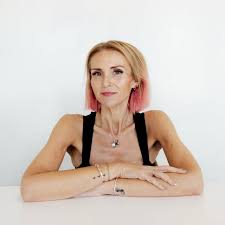
Christina Alonzo is a mother, content creator, and Sonoma County local who has walked through more grief in the last few years than most people face in a lifetime. From losing babies to navigating a sudden and devastating brain cancer diagnosis in her husband Curtis, she has shown up with remarkable honesty and grace at every turn. In the past year and a half, she has also completed a transformative 200-pound weight loss journey that changed not just her body, but the way she moves through the world. She is raising her daughter Addie with Curtis’s love still at the center of their home
Full Transcript:
Christina Alonzo: We only get one life, and we don’t know when that invisible clock is gonna run out, and so you have to make time for people and for things that are important to you. And I am not wasting any more time worrying about things that aren’t necessarily important. And yes, I need to make sure that I have money to pay all my bills. But I’m also not stressing out about eating at a restaurant that costs a little bit more money, or buying Addie, something that is frivolous or whatnot, because I want to enjoy the life that we have here, and we’re not going to take it with us. We can’t take anything with us, and so we’re going to enjoy the time that we have, and make those memories.
Heather Nelson: Welcome to Her Story Unscripted. I’m your host, Heather Nelson, a connector, business strategist, and someone who truly believes that the most powerful conversations happen when we stop performing and start being real. This podcast is a space for women to share honest, unscripted conversations about life, growth, and the experiences that have shaped who we are. No perfectly polished narratives, no pressure to have it all figured out, just real, authentic stories told exactly as they are.
Hello, everyone. Welcome to Her Story Unscripted. I’m so honored to have Christina here. Christina was actually on my previous podcast. I looked it up, and it was almost three years ago, March of 2023. So much has happened in your life. One of the things that I really wanted to have you on again, not only because you’ve been through a lot, but your story has always just been inspiring to me. I think you and I had met, and you were on the podcast around influencers, and you know that world, and how you’ve navigated that. And you also have gone through three deaths with little children, babies and all of that. So if anybody wants to go back and listen to that, that is an incredible story in itself. But you’ve gone through a lot in the past three years, and you still show up. I know you probably have your ups and downs in life, but you’ve always stood out as someone inspiring to me. I was like, I have to have her back on the podcast and hear all about what you’ve been up to, and how you’ve navigated such a hard time in your life again.
So Christina, welcome to the podcast.
Christina Alonzo: Thank you. Thank you for having me. Yeah, it has been quite an adventure. So much has happened since I was on the podcast last. So I guess for your audience, if they want to go back and listen, we did talk about my boys in the previous podcast. But since then, we have navigated so much more. So in November of 2024, we received a pretty life-altering diagnosis for Curtis. It was just a normal weekend. We dropped Addie off at my mom’s, we did weekly date nights, and we dropped my mom off at Addie’s and went to sushi, and Curtis just randomly got sick. I thought he had the flu. And that weekend, he just seemed a little off. He said he was tired, he was sick, like stomach flu type sickness. And he said he just felt kind of off, kind of tired. That was Friday night. Saturday, I noticed that he was walking a little weird, but he said he was just tired. And each day, there were just things that seemed a little off, and I had said I wanted him to go to the doctor. And he said no, he was just tired. And he went to work Monday morning, and my gut just said that something was wrong.
And Tuesday, I tried to get him to go to the doctor, and he would not go. And Tuesday night, he put our daughter to bed which he did every night. He said her bedtime prayers, and they did not make sense. And of course, she was little, and she didn’t notice anything. But I did. We came out of the bedroom and I said something was wrong. My background is in senior care. I was the executive director for Senior Living Community for quite a while, and I said, I’m not trying to be mean, but you are showing signs of somebody who possibly had a stroke. And I said, we need to go to the doctor. And he’s like, no, no, no, I’m fine. And we went to bed that night. And Wednesday morning, I said, we need to go to the doctor. And he’s like, no, I have to go to work. They need me, blah blah blah. And I said, if something is wrong, you’re not going to be any good to anybody. We need to go to the doctor. And he’s like, no, I have to go to work. And he went to work. And all day, I felt sick to my stomach. I knew something was wrong. I had called my mom and I was like, I have to get him to go to the doctor. I know something is wrong. And so I brought my daughter to my mom’s house. And when he came home, I was like, we need to go. I’m hoping that they just tell me that I’m crazy. But something is off, and we need to go. And he said okay.
And we went to the ER, and the doctor’s like, why are you here? And he was like, I don’t know. I’m fine. I told the doctor everything that I had been noticing, and I went back Friday, and told him the symptoms. And the doctor was like, sometimes when men show these symptoms, it could be a UTI. And I was like, oh, I knew that. I worked in senior care. I knew that. And then I was like, oh, he just has a UTI, duh. It’s easy. And they ran a bunch of tests, and the doctor came in and said, I’m sorry, but we found this massive brain tumor. We are going to transfer him immediately to San Francisco. They started him on steroids, sent him to San Francisco and did a biopsy because they suspected that it was cancer. But they had to do the biopsy first. And sure enough, it was glioblastoma, which is brain cancer where his tumor was located, and how it infiltrated his brain. The tumor in his brain was not operable. So with glioblastoma, even if they could have surgically removed the tumor, it’s not a matter if it comes back, it’s when.
So best case scenario with chemo, radiation and removal of the tumor, we were looking at maybe five years. We chose chemo and radiation even without surgically removing it, kind of as a hail mary. Curtis was young. He was 44 in perfect health. Other than that, he never even got a cold. He ran for fun. He rode his bike to work every day just because he wanted to. And so given his medical history, we thought that we should try. I thought we should try, and so we did. We did one round of chemo and radiation, and the cancer was contained. It didn’t spread anymore, which was good given how aggressive glioblastoma is. But unfortunately, that wasn’t enough. And from the date of diagnosis until the date of death was four months. Glioblastoma is very aggressive, and it was spread pretty much to his entire brain. It was a miracle that he wasn’t showing any symptoms prior to that weekend. What the oncologist and the neurosurgeon believed was that the swelling had gotten so bad, and that’s why he started to show symptoms. Typically, people find brain cancer because people are having headaches, or seizures, or losing balance. And remarkably, he wasn’t having any symptoms prior to that, or maybe not. Maybe if we could have caught it earlier, we could have–
Heather Nelson: How long do you think that he had had it? What was it that triggered it? But that would make sense, that it swelled.
Christina Alonzo: I believe now that he may have started noticing some symptoms in July. There are things now that I see that I didn’t see at the time. Curtis kept a journal, and he did write down a few times that something felt off, but he wasn’t sure what. And the first time he mentioned that was in July. Our son left for the police academy in July, and I went with him to move into his apartment that he was going to be living in during the police academy. Curtis didn’t go, and he had mentioned in his journal that we had taken Tommy to Chico, and that he had stayed here, that he was feeling really tired and off. Something fell off in his brain, but he wasn’t sure what that was. And so I believe that he started to feel different in July, but he didn’t know what that was. And then there were just other things now that make sense. You just chalk up to everyday life to work with small children and be good. Now I see that I just didn’t pay attention to much at the time.
Heather Nelson: And I feel like men are so, like you were saying, it took him a few days to even go to the doctor because they’re like, it’s fine, it’s fine. You’re like, no, something’s off. And it always takes them so long to be like, okay, let me go get help.
Christina Alonzo: And just like other things too. The kids and I talked about after, my birthday was in October, the diagnosis was in November, and he always made such a big deal out of holidays. He made everything so special. And every birthday of mine, he would decorate the house. He would go over the top with gifts, and he had been asking me what I wanted to do for my birthday. And I was like, nothing. Nothing, I don’t want anything. I don’t need anything, like. If I want something, I buy it. It was not a big deal. And he didn’t do anything for my birthday. This was the first time in 10 years he didn’t do anything for my birthday, and I didn’t think anything of it because I had said over and over, and over that I didn’t want anything. I didn’t need anything for my birthday, and so I didn’t think anything of it until after. And I was like, he would have never not done anything for my birthday. But I think after the fact, I thought about it like he didn’t think about it. It seems like after the diagnosis, I started noticing his short-term memory was all gone. I still play this game where I think about how long has his short-term memory been gone, and how much was just he memorizing, or how much was long-term memory because his long-term memory was intact. They told him he had brain cancer, that he wasn’t going to work, and he couldn’t retain that information, which almost was a blessing in disguise. He knew who we all were. He could tell you dates and things from the past, but he had no short-term memory.
Heather Nelson: In the four months, what was life like? Was he able to be bedridden, or was he able to go out and do things?
Christina Alonzo: He declined very, very quickly. So the day we went to the ER, he drove himself to work and home. He went in, they took him to UCS to, I can’t remember, we’ve had so many hospitals. He went to San Francisco to CPMC and had a brain biopsy. And it seems like once they messed with the tumor from there on out, he declined. He had trouble walking. His balance was really bad. He ended up having two massive seizures. He ended up with a pulmonary embolism. He declined very, very quickly. The chemo and the radiation did a number on his body, so he really didn’t walk much again. Maybe with my assistance, he could walk a little bit for maybe the first two weeks that he was home, but I mainly provided all care for him. He was at home. He was in and out of the hospital quite a bit, but he was mainly at home. With the brain biopsy, he spent like four days in the hospital. And then after the seizures, he spent a few days in the hospital. But he was mainly at home. And then when we found out about the blood clot, he was in the hospital for a few days, and then we brought him home. After that is when we chose to just do comfort care instead of continuing with the chemo and radiation. And then once we chose that, he was only in hospice for four days before he passed. And that was in March of 25.
Heather Nelson: If somebody was listening to this right now and is going through something like this, what advice, or what were some of the things that helped you get through this time?
Christina Alonzo: I think just taking in every moment that we had, even as hard as it was to watch him go through what he was going through, it was an honor to be able to take care of him at that time. I know that he would have done it for me in a heartbeat. I told my older kids that it’s a good lesson that you don’t marry somebody unless you’re willing to change diapers, feed them, give medications around the clock, and hold their hand while they are literally fighting for their life. Because it is hard to watch somebody you love go through something like that. And also take care of a toddler who does not understand why their dad, who was so full of life, can’t talk. She would say, why isn’t Dad talking to me? She would ask him to put on her shoes, and he physically couldn’t do it, and that was so hard for her because she didn’t understand why he couldn’t do it. Navigating her grief on top of my own, and going through it in real time, there’s always that question, is it better to have somebody die suddenly or watch them die? There’s no right answer. We went through it, we watched him go through it, and it was hard to watch somebody so healthy and full of life lose that.
And there was moments of clarity, like I said, I think there was like a blessing in disguise that he didn’t understand what was happening because I truly don’t think his heart could have handled knowing how much in pain that we were all in because there was nothing he wanted more than for all of us to be happy. Everything he did was for all of us, and so I don’t think that he could have handled it. I think he wouldn’t have cared for himself properly if he knew how much it was hurting us. But there were moments of clarity, like a couple days before he passed, he said to me, he hoped that I knew how much he loved me and how much he was going to miss me. And that for me not to be jealous that he was going to be with our boys. There were moments where he understood what was happening. But man, it was a lot. But I think given the nature of my job, I was able to spend every minute with him. I was able to be there with him, and be the one to take care of him. He didn’t have to go to rehab. I got to be there in the hospital with him, and I got to be here at home and take care of him, and so I’m grateful for that as hard as it was.
Heather Nelson: You kind of spent that time with him before. You’ve been through a ton of grief. My heart, I just get chills listening to your story and knowing what you’ve been through. Is your perception of life different now?
Christina Alonzo: Oh, yeah.
Heather Nelson: Because I think where my head and my heart sit right now is that we are constantly in human nature complaining about things. Like, this sucks about this, or this sucks about that. Sometimes we take for granted our health or our relationships, and things like that. So I guess my question is, if somebody is listening to this and it feels that way, as somebody who’s gone through such traumatic grief, what are some takeaways that you could give us that would help us to look at life in a different light?
Christina Alonzo: Since Curtis has passed, the way that I see things now is that we always think that we have time, and we don’t. There were so many things that we wanted to do, or thought that we had time to do, or plans that we wanted to make, and even simple things like returning a phone call, or planning a barbecue with friends, or things like that. There’s always things that you think you have time for, because other things take your time first, and you just don’t know. And so this last year, I’ve really focused on just saying yes as much as possible. I understand that we have to pay our bills. Everybody has to work. We live in Sonoma County where the cost of things are astronomical, but we also only get one life. We don’t know when that invisible clock is going to run out, and so you have to make time for people and things that are important to you. I am not wasting any more time worrying about things that aren’t necessarily important.
And yes, I need to make sure that I have money to pay all my bills, but I’m also not stressing out about eating at a restaurant that costs a little bit more money, or buying Addie something that is frivolous or whatnot because I want to enjoy the life that we have here and we’re not going to take it with us. We can’t take anything with us, and so we’re going to enjoy the time that we have and make those memories. And we did a lot of traveling this last year, saw a lot of friends that we’ve been meaning to see, going places that we’ve been wanting to go, and also not stressing out about things that aren’t really important. Curtis was never bothered. I used to say he was calm to my storm because everything to me was always an emergency, always. He was never bothered by anything. And the ironic thing is that they say that glioblastoma brain cancer is caused by a shift in your dna, and a shift in your dna is caused by stress, which is funny to me because he was never stressed. I’m the one who is always stressed, and so I have been trying, which isn’t going that well for me, but trying to be less stressed by things, and just live more like he did. Less bothered by things that aren’t as important, but I feel like more of us need to say yes to more things. And I think it’s harder to do when you haven’t been impacted by such hard things. I used to tell him, ironically, all the time too, that he took his job very seriously, which is not a bad thing.
But one of the things that had impacted me a lot from his death is that we received a termination email the night he died from his corporate office. They couldn’t even wait till the next day. They closed out his employee ID and all of that, the night, the day he died It just goes to show, it wasn’t like his co-workers, I’m sure, miss him. I’m sure they know he did a good job, but it just goes to show that you’re just a number. You spend your whole life, dedicated 22 years to a company, and I get that email the day he dies, and that still bothers me.
Heather Nelson: It’s a perspective that you give, give, give so much to other people, or to a job, or to a company for them to just do something like that, and you’re like, what was all that for? What was all this stress for? What were all those endless hours for?
Christina Alonzo: And that morning, he was like, I can’t go to the doctor, they need me there. You know what I mean? You just dedicate so much of yourself, and then you’re gone, and they move on. And sometimes, that’s a hard reality. But it’s just the way that it is, especially in a big corporate company. It’s not anything against a person, he was a good person, he was a hard worker, but companies still have to keep moving forward. Your family is the one who misses out on the time, and misses out on the memories and everything else, and so I think if I had a piece of advice to give to people who are like that or like him in that aspect, they will just move on, but your family is the one who will be missing something and someone.
Heather Nelson: That’s such a great reminder, for sure. I know we just had this conversation the other day about just being able to own your own business or to do your own thing, and how much freedom there is behind that to be able to pick up your kids from school. And yes, it’s stressful. But there’s so many more benefits to doing your own thing so thank you for sharing that. I know obviously that that is super triggering for you, and I appreciate you being open and honest about it. Because I do think I know a lot of people right now that are struggling with a spouse or a friend who’s battling cancer, and so I guess, my last question before we move that conversation is, as somebody who was in it, the thick of it, any advice for the people outside in your community, or your friends, or your family of ways to support a situation like that, and a hard time like that how we, as our community, can support them?
Christina Alonzo: Yeah. My number one tip is to just show up. I think that the hardest thing is sometimes you feel like you don’t know what to say, or don’t know what to do, and so you do nothing, and that makes people feel like you don’t care. And even though that’s 99.9% of the time not the case, when you say nothing and do nothing, that is hard. And so sometimes, even saying I don’t know what to say, or I don’t know what to do, but I’m here for you, or I’m thinking about you, or I love you goes a long way. Because when you do nothing or say nothing, that’s hurtful. And so even just saying that you don’t know what to do or say makes a big difference. And when somebody is in the midst of the thing, they don’t know what they need. And so asking them to make another decision is really overwhelming. So saying like, let me know if you need something isn’t helpful. And so if you know somebody who loves coffee, just drop it off on their doorstep, or send DoorDash with a coffee, or a meal, or whatnot. Because when you’re in the thick of it, you can’t make those decisions. And that I feel like that goes for when they lose somebody, lose a child, lose a spouse in the thick of postpartum, in the thick of dealing with a cancer diagnosis, just send whatever it is. Send a card, send the coffee, send the sandwich. Because asking somebody to make another decision can be so overwhelming because they don’t know what they need. They can’t even think clearly. And so having to think about anything else feels too overwhelming, and they’re not going to ask for the help, and it just feels like one more task on their plate.
Heather Nelson: Such a good reminder. Thank you for that. You’ve gone through an incredible weight loss journey. How much weight have you lost?
Christina Alonzo: Over 200 pounds, like insane. Like insane.
Heather Nelson: What was the point for you? How long have you been on this journey?
Christina Alonzo: Since October of 2023.
Heather Nelson: It’ll be three years this year.
Christina Alonzo: So in October of 2023 I started taking Semaglutide, a GLP-1, and I still am taking that. I am doing it for maintenance now, and the question I always get is, why am I still taking the GLP when I do not want to lose any more weight? And the short answer for that is I am doing it for the food noise. My biggest issue is that I have uncontrollable food noise, and I would not stop taking my medication for my thyroid. I would not stop taking the medication for my anxiety, and so as long as I can, I will continue to take the GLP for the food noise. I work very closely with my doctors. I get my labs drawn regularly just to make sure that everything is in line, and I stay on the GLP to manage that as well.
Heather Nelson: So obviously, you’re a supporter of it. I think it was one of my last few episodes of the last season, I had someone on who also went through that journey, but also created an app around it. I learned a lot about it because I think there’s a lot of stigma behind it. Everyone’s like, oh, you can just take a shot and then lose this weight. Or how you’re gonna have to continue taking this medication for the rest of your life. Also, there were so many things. But the one thing that I took away from that conversation was the food noise, and I’m like, oh, that’s really a thing. And then the more that I thought about it, I was like, oh, yeah. I’m constantly, what’s for dinner? What am I having for lunch? Oh, we’re going out to dinner. Let me look at the menu. I’m constantly thinking about food, and I’d never even thought of it. So for me, that was like a huge wake-up call why people take it.
Christina Alonzo: Yeah. So unless you deal with that, it’s not something people even realize, right? And people are like, oh, well, just don’t think about it, or just count calories or macros. Well, that makes it worse. Because when you battle with food noise and you do something, like count calories, then you’re constantly thinking about that even more. So what am I going to eat? How many calories is that? Then it gets even more constant. So one of the things for me with this journey is that food has no moral value. Food is not good or bad. Food is just food. It’s supposed to be meant for just fuel. And one of the things that I’ve been able to do this time around is that I’ve been able to use it that way, which I’ve never been able to do before. Because I’ve done lots and lots of diets before. I’ve lost weight before. I’ve lost a significant amount of weight before, but it’s consumed every part of my life. And it’s been extreme because the noise has been constant. It’s been, what can I eat? When can I eat? How much can I eat? Weighing and measuring. Where can I go? People would ask, what can you have? Now, I can have whatever I want when I want if I want something. Or if I don’t want something, when I’m full, and when I’m hungry, which has never been a thing before. And honestly, I feel like if it wasn’t for the tool of the GLP, I would have probably put on the weight that I lost when Curtis was sick and when he had passed, because food has always been an emotional thing for me.
Heather Nelson: Totally. How do you feel your mental state is now that you’ve lost weight? Do you feel like a whole new person? Because I know, especially when we’re a little heavier, we have all these thoughts about ourselves, right? How has your mindset changed since taking it?
Christina Alonzo: Going back just really quickly, if I can to Curtis, I also feel like if I hadn’t lost the weight, I would not have been able to care for him like I did, and so I would not have been able to lift him. He was tall and big, and I would not have been able to push him in the wheelchair like I was. I would not have been able to get him in and out of bed and move him to change the briefs, and to get him into the shower, and out of the shower, and do all of those things at 300 pounds. There would have been no way I would do it to physically care for him like I needed to when I was heavy. I didn’t even think about that, that needed to happen in order for me to be able to physically care for him. I used to be one of those people who said everything happens for a reason. I don’t necessarily believe that now. There’s been too many shitty things that have happened, I think, that sometimes bad things just happen. But I do think that you can find meaning and find positive things that happen from those shitty things.
One of those examples that I’ve given recently is that Asher lived 18 days in the NICU before he died, and that was just a really shitty thing. He had a very rare genetic disease that not a lot of people have had. There’s only been a handful of cases worldwide. It’s just one of those freak things that have happened. Curtis and I weren’t carriers, it was just one of those really bad lucks to draw things. He was on ECMO, the highest form of life support, which led Curtis and I to have some really tough conversations about life support and end of life care, and things that normal people in their late 30s and early 40s don’t have, especially when they’re that young. People just don’t have those conversations, and Curtis and I had a lot of those conversations about, what would happen if we were in a coma? What would happen if this or that? What we would want. Normal people just don’t have those kinds of conversations, especially when they’re so young, and we had a lot of those conversations while Asher was sick, and after Asher had passed.
So when Curtis got sick and his short-term memory was gone, I had to make decisions for him on what kind of care he was going to have. I knew exactly what he would want because we had those conversations. And if Asher hadn’t been sick, and if we didn’t go through that with Asher, I might not have known exactly what he wanted. We were together for a long time, so I knew generally what he would choose. But I knew exactly what to do for him because we had those conversations, which we might not have had yet because we were still so young. But because we had been through that together, I knew exactly what to do. And now I still like, did I do the right thing? Because it’s just human nature, but I know that I did. I know that he would have wanted me to try with the chemo and radiation even though we know it was a hail mary. I knew he would have wanted me to try, and I know that he wanted me to stop when we did. I know that I made the right choice even though sometimes I still question it. But if we wouldn’t have gone through what we went with Asher, we might not have had that conversation yet. Because usually, people wait until they’re later in life to have those kinds of tough conversations, which is another good reminder to have those conversations because you just don’t know.
Heather Nelson: But nobody wants to have them, right? It’s that uncomfortable conversation. Nobody wants to think of that. But how much more set up for success would you be if you had that conversation?
Christina Alonzo: Yeah. And it is uncomfortable. You don’t want to have to have those conversations. But again, we aren’t promised tomorrow.
Heather Nelson: Yeah. Such a great reminder. Christina, what’s life like now for you? What I mean, obviously, I’m sure you have good and bad days, but what is life like now with you and your daughter?
Christina Alonzo: So we are trying to just live in the moment, enjoy life as much as we can. Addie, she misses her dad quite a bit. I mean, we all do. We try to keep his memory alive as much as we can. We are so grateful that I have the job that I do because we have documented so much of our life, and so we have so many videos and photos. And Curtis was such a great dad. He reads to her every night, and we have all of that. He would just record, it’s almost like he knew, but he didn’t know, if that makes sense. He would read to her, and he would just set up the camera and record himself reading to her. We have her like Yoto box him reading to her so he can read her bedtime stories still. She’s only four, but she talks about him, and we try to keep his memory alive as much as we can. Her and I just try to enjoy life as much as we can, make those memories, and do things that he enjoyed. We still try to keep the family dinner with the big kids and things that were important to all of us, and say yes as much as possible.
Heather Nelson: My last question for you is, what is that one thing, that one takeaway, you’ve given us so many takeaways, there’s so many things that I’m just like, yeah, put in perspective things. What’s the one thing that you think someone needs to hear from this conversation today?
Christina Alonzo: Just say yes as much as possible. Enjoy the time that you do have. That’s been my biggest takeaway from all of this is, just say yes as much as possible.
Heather Nelson: Christina, thank you. Thank you for again being open to the conversation. I know that you are going to help so many people that are going through a situation like this, or even listening to this story. And if that happens to them, how they can manage it, or even just have a resource to reach out to. I think the other thing is like building this community of women who have gone through hard things and be like, shit, I’m going through this too. Who can I reach out to get support from, or get advice from? I just want to thank you for sharing your story. Again, I love watching you, and all the things that you’re doing. You look incredible, and I’m just so honored to have you here today.
Christina Alonzo: Thank you.
Heather Nelson: That’s a wrap on today’s episode of Her Story Unscripted. If something you heard today made you feel a little more seen, a little less alone, or just got you thinking, that’s exactly why we’re here. If this episode resonated with you, I’d love for you to share it with another woman in your life who needs to hear it. And if you haven’t already, make sure you subscribe wherever you listen, or catch us on YouTube so you never miss a conversation. I’m Heather Nelson. Thank you for being here, for listening, and for showing up for real stories. I’ll see you next week.
It started as a normal weekend. By Tuesday, Christina Alonzo was sitting in an ER telling the doctor everything she had been quietly noticing for days. By Wednesday, the diagnosis was in: glioblastoma — an aggressive, inoperable brain cancer. Her husband Kurtis was 44 years old and had never even had a cold. From the date of diagnosis to the date of his death was four months.
In this episode of Her Story Unscripted, Christina Alonzo returns to the podcast three years after her first appearance to share the story of the year that changed everything. She opens up about becoming Kurtis’s full-time caregiver while raising a toddler, navigating impossible medical decisions, and the termination email from his employer that arrived the very night he died. She also shares the story of her 200-pound weight loss journey — and how losing the weight became something far more significant than she ever expected when Kurtis got sick. This is an honest conversation about grief, love, and what it actually looks like to keep living when someone you love is gone.
For any woman who has ever taken time for granted, avoided a hard conversation, or wondered how anyone survives something this big — this episode is an unscripted reminder that life is shorter and more sacred than we let ourselves believe. New episodes every Thursday on all major podcast platforms.
Episode Highlights:
- 00:00 Cold open — Christina on the invisible clock
- 00:49 Heather introduces Her Story Unscripted
- 01:15 Welcoming Christina back — three years and a lot of life later
- 02:21 The normal weekend that wasn’t — Curtis gets sick
- 5:28 The ER visit and the diagnosis — glioblastoma
- 7:15 Choosing chemo and radiation — a hail mary for a 44-year-old in perfect health
- 12:18 How quickly he declined, and what caregiving looked like at home
- 14:18 Curtis’s death in March 2025 — four months after diagnosis
- 18:55 What helped Christina survive this season
- 22:13 The termination email the night he died
- 27:22 200 pounds lost — and how the GLP-1 journey intersected with Curtis’s care
- 25:10 How to actually show up for someone in grief
- 36:10 Life now — Addie, memory-keeping, and saying yes
- 38:03 Christina’s one takeaway for the listener
Full Transcript:
Us, as women, we feel like we have to show up and say things a certain way. We are told, and we’ve grown through life being quiet, that we can’t speak our mind. That men always led first, and it was this like no-no of women being authentic and talking about their story.
Heather Nelson: Welcome to Her Story Unscripted. I’m your host, Heather Nelson, a connector, business strategist, and someone who truly believes that the most powerful conversations happen when we stop performing and start being real. This podcast is a space for women to share honest, unscripted conversations about life, growth, and the experiences that have shaped who we are. No perfectly polished narratives, no pressure to have it all figured out, just real, authentic stories told exactly as they are.
Hi everyone, welcome to Her Story Unscripted. My very first episode under the new brand, and I am so excited. I have so much to fill you in on. I have so much that I want to talk about, and so welcome. Buckle in, grab a cup of coffee, grab a water, go out on a walk, whatever it is, tune in. I’m just so excited. I am so full of joy, and I’m just gonna dive right in.
So if you’re new to the podcast, welcome. My name is Heather Nelson. Formally, my last podcast name was Life Conversations With a Twist, and we will talk about what that entails. But I just redid my whole entire podcast. The concept will stay the same. The name is different, the brand is different, and the goals are so much more different, and so I’m just so excited. This has been so much work, and I will dive into what that looked like. But again, if you’re new, I have been podcasting for five years, so I don’t even know where to start.
So let’s fast forward five years ago where the concept of me being a podcaster even came about. So if you don’t know my journey, I have been in the hospitality space for over 25 years. I’ve worked in hotels, restaurants and rental companies. I’ve supported so many different people in our industry. And what kept happening is, every time I would show up to a meeting, I’d sit down, I’d meet someone for the first time, usually women, and we would get to talking and getting to know each other, and then they would tell me their whole entire life story. I mean, things that they might not have shared with other people, but I’ve created this energy to allow people to kind of tell me a lot. I’ve always been the sound reward for not even just women and what they’ve gone through, but just in life. I’ve built enough trust for people to rely on me to tell me things, or to have candid conversations around how they feel, or how they move forward. So I’ve always had this kind of coaching mentality.
Actually. I remember specifically sitting in one lunch meeting, and I had a girlfriend friend through industry, but also became really close to tell me about her journey with her child who had autism and learning disabilities, and all the crazy things that her life had, that she had gone through. I just sat there thinking to myself, man, so hard. Especially coming from a place where I haven’t experienced anything like that. But there was this moment in time where when she was telling me her story, I’m like, there’s got to be other women that are going through the same thing. And not only in just the situation, but all the conversations I had over the years with all of these women about certain things that have come up in their life, whether it’s losing their child to cancer, or a victim of sex trafficking, or divorce, or career changes, or hard times with their children, whatever it might be.
Us, women, we go through a lot, and we’re not alone. We’re not the only ones dealing with this, so I’m like, how can I create a space where I have women who are ready to share their story, to talk about what they’ve learned, to talk about their journey. And also, I think the most important thing is how they’ve come out on the other side? Because sometimes when you’re in the mess of a hard situation, it’s really hard to see the other side, and how a positive thing could come out of something so horrible, or something so hard, or something so challenging. But there’s this beautiful moment that happens on the other side where growth happens, and empowerment happens. And so, how can I create a space that we can have these conversations and be able to inspire and empower other women who might be going through the same thing? Or to create a space where, oh, my gosh, this lady has gone through this. I would love to connect with her. Maybe she has resources on how I can get through X, whatever the situation might be. So that is really the brainchild and the heart that I wanted to come to the table with these podcasts, and these interviews, and these guests.
So five years ago, I was like, I had this idea. I want to be a podcaster, and how do I create conversation? So that’s where the name Life Conversations With the Twist came about. The reason why it started that way is because ideally, what I had envisioned for the brand was come over to my house, let’s sit down in my lounge with a glass of wine, and have these conversations. That’s what I really wanted. That feeling to be, and that twist was that one hard thing that you had gone through.
Fast forward five years, I’ve had over 200 episodes. So I’ve interviewed about 160 women all over the world. A lot of my guests have been here, local to Sonoma County, which is where I live. But then also, I’ve expanded all over the world, and it has been truly something so special to me. Because not only has it inspired me, but I get DMs all the time. Or I see people out and about, and they’re like, your podcast is so inspiring. It’s what I need. It makes me feel less alone. And so that is why I’ve continued to do it. So to be super transparent, I’ve never loved the name Live Conversations With a Twist, for some reason. When I say it, it was just too long. And when you hear it, you kind of understand maybe what it’s about. But I really wanted the new brand name to be something that I can say one time, and you know exactly what you’re going to show up, and what this podcast is all about.
So this all started about a year ago. I had this idea, I really think I do a rebrand. I just want to elevate it again. After you’ve been podcasting for five years, every single week for five years, the consistency, I have that down. But where I really wanted to see growth is to make this podcast even bigger, even better, have even more crazier stories on. I want to broaden my reach. I want this podcast to go international and beyond. I really want it to be this thing that I’m known for.
I’ve been battling with certain parts of my career. I still love leaning in. I also own a business called the Connection Hive, which is all about helping and supporting small businesses in the hospitality space, create some strategy, and know how to move their business forward creating relationships and collaborations. And so I’ve been doing a lot of work in that. But when I really sit with it, it’s something that I’m passionate about, and I know I have so much experience and so much to share with the world, but there was still something missing in my heart. I also have an event labor company, which is called Set & Strike, and that is an event labor company here in Sonoma County, Napa County. We support people in our industry for labor needs. So we work with a lot of wineries, venues and festivals, and anybody who needs labor support. I love that business because it keeps my foot in the door in hospitality, and it allows me to be a business owner, learn, and do payroll, and kind of feed that entrepreneur soul that I have. And so that has been so fruitful, and I love it.
It’s been our biggest money maker in all of our businesses, so I’m continuing to lean into that. But I was struggling last year . What is next for me? The connection hive, I love, but it wasn’t fueling the soul. Set & Strike is great, but it’s again, not something that I’m super passionate about. So the podcast is something that I’ve always been passionate about. It’s something that I truly love. It’s something that, every time I interview a woman, I feel like she is on my podcast that day for a reason. Whatever it is that she is gonna pour out into my guests, she’s like pouring into my heart, and it’s exactly what I need in my life for that day.
And as I’ve been transitioning into this new brand, I haven’t been interviewing as much. I just started this last week of interviewing again, and my heart and energy is so different. I didn’t interview for like three months, and I was like, God, something’s missing. There’s not that drive there anymore. There’s not that passion there. I’m like, what is it? And I realized that it’s all about not having my people, my interviews. I didn’t have anybody here to feel my cup, and so that’s when I really knew that podcasting is where I want to be. I am such a curious person by nature. I love having conversations with women. I love having hard conversations. I love learning. I love asking questions to peel back the onions to understand a little bit more about their story, where they come from, and what they’ve learned from it. I think that’s something that naturally comes to me, which is why I think podcasting is exactly where I want to be.
So as I sat here last year, I was like, I need to do something different. I was like, I just want to rip the band aid off and start fresh. I mean, I have so much content. I have so many amazing interviews that people will still have access to, but how do I elevate it? And so I was fortunate to get into this small mastermind class that I use to grow The Connection Hive and kind of build out that business. And they also offer a rebranding package. I’ve been working with them since, oh, I think it’s been since like November when we started the process. And what I loved about this process is it really made me sit down and understand what my mission is. What are my values? What do I need to lean into? Where do I want to put my energy? Who are the guests that I want to have on? What is the story that I want to tell? Who are my competitors? Who is somebody that I look up to? I want to not do the same thing, but use it as a foundation. So we did all this work, it was like pages, and pages, and pages of research, and really exploring everything. And so it was such a cool process to be a part of. And so once that’s done, which takes a while, it goes into the branding world.
And let me tell you, naming a podcast, naming a business is like naming your child. It had to be the perfect name. And I knew once I heard it, it was going to be like, yes, that’s exactly what it is. And I knew I wanted something with authentic and women’s stories. And again, how does the name of the podcast, as soon as I say it, people know exactly what it is? And so I think we had hundreds of different words, and one of the words that stuck with me was unscripted. So when I got my first list of names, I would go through and say, yay, nay. And the word unscripted kind of just sat with me.
I had lunch with one of my best friends, and she was with me when we got the first list. There were so many versions of authentic unscripted or something with her story, and so it was kind of her idea and us talking together to be like, ooh, her story unscripted. And I was down to a few others. I had them listed on my whiteboard for weeks, had it on my whiteboard in my kitchen because I wanted to keep looking at them, and I wanted to see which one resonated with me, and I landed on her story unscripted> And the reason I did that is because there’s lots of reasons. But I think the main reason was us as women, we feel like we have to show up and say things a certain way. We are told, and we’ve grown through life being quiet, that we can’t speak our mind. That men always kind of led first, and it was this like no-no of women being authentic and talking about their story.
I think back to all the shows that I’ve watched, like Queen Elizabeth, and they were so miserable, and they were so unhappy. So many horrible things happened to them. And you think about all these things that are coming out with the Epstein files, and women have been told to be quiet. Or whatever story they tell has to be a lie, or has to be made up. It can’t be the real truth. And so what I loved about the word unscripted is that it allows women to show up unscripted. And even when I interview a guest, I don’t give them a list of questions. I’m like, I might give them a topic that I want to lean into based on what I know about them, or what they’ve told me about them. But I really want it to be these organic, authentic conversations about their life. And I want them to show up unscripted. I don’t want them to show up and say, well, I have to say this because X, Y, Z. No, I want you to show up and be truthful, and authentic, and the real you, and so that is where the unscripted kind of came in.
And I, for years since I’ve been doing podcasting, every time I meet somebody and they talk about themselves and their stories, I’m like, you have a story to tell. We all have stories to tell. We all have journeys, we’ve all been through things, and some of us are worse than others. Some are really traumatic, or grieving, or a lot of messiness in between. But we all have a story to tell. And so that is where Her Story Unscripted came because I want a woman to show up and tell their story unscripted, authentic. Let’s be like, no bullshit. Let’s just lay it all out there, have those hard conversations and talk about the things that people don’t necessarily talk about or ask. And I am so willing to ask those questions. I feel like over the years, I’ve gotten better about how I asked them to make them feel comfortable. So that is the new name, Her Story Unscripted, welcome.
So again, still a similar concept to what I’ve done over the past five years. But really just a new name, a new look, a new feel, new fresh. You’ll start to see on my social media. I went through old graphics that I used or old old ways of doing things, and so it was kind of cool to explore the journey of where I was when I first started to where I am today. And I truly believe that us women can lead the world in a different place. And I think that there is something super special about women showing up and being their true selves to inspire and empower others. I think the more we do that, and the more we feel comfortable doing that, the more powerful we are together, and the more change can happen in this world. So that is my mission, and that is what I want to continue to do.
I keep putting out there in the world, I want to be like the next Mel Robbins. Not necessarily what her podcast is or what it’s about, but how she is known for. That’s what she’s known for. I want to be known as a podcaster. I have so many big goals in this podcasting space. I want to be the number one podcaster here in Sonoma County. I want to be a top podcaster. I want to be asked to interview people. I truly love this work, and I want to continue to do it, and so it’s been such a process.
Once we came up with the name, that was one of the things I fed the branding team is my colors, my feel, my looks, as you can see by my background, this is me. I love black and white. If you don’t know me, I love leopard print. I love green plants. So you’ll see a lot of that in my branding, and it truly feels like me. I can’t wait to get it out in the world. I can’t wait to continue to have these powerful women coming on the podcast to tell their story. There’s so much I see for this podcast. And taking a break from The Connection Hive and really leaning into the podcast, I know that it can be so much more. So you’re going to see more social media from me, you’re going to see more emails from me. This will be my focus. This is what I’m set out to do. This is the work that I want to continue to do.
I just want to say thank you. If you’ve been a listener through my last five years, thank you. Thank you for consistently showing up each week. What I really would hope from everybody here is that if you listen to an episode or you think some of these stories resonate with someone in your life, please share it with them. This is how the podcast grows, right? I think that my growth has been great, but I think I have room for so much more, and I’m on a mission to get there. So again, please subscribe to this, and share it on social media. Again, if there’s a story that resonates with you, put it out on social, get it out there, leave a review, do all the things to support. Because again, that’s how I’m able to grow. That’s how I can get even more amazing guests on this podcast, and so much more. So that is kind of what you’re gonna expect from me.
In my last podcast, I also did some solo episodes. Obviously, this is a solo episode, but this is my launch episode so I wanted to give everybody a little taste of what is to come, and what has gone on behind the scenes. So please continue to show up and support this. And there was a reason why I said that, and it will come back to me. But I’m just so excited. I’m just so excited. This has been such a process between the branding, and then the look and feel.
And then I got a photo shoot done. I got to work with my amazing friend Alicia Park, shout out to her, who’s done all of my branding photos. She came into my home because my home is a beautiful place, and it feels just like me. And so it was really fun to do a photo shoot here in my office and in my living room, and so I just am really thankful for her. And the vision she sees it is super exciting. So you’ll see more of that. I know what I was getting at.
I wanted to talk about the solo episodes versus the regular episodes. My mind is all over the place because I’m so excited. So it was Life Conversations With a Twist. I obviously interviewed mostly people, but I would pop in from time to time to do a little check-in. Or if there was something that happened in my life that I felt the need to talk about, I haven’t decided if I want to do that or not because most of my downloads and the listeners like the interview style. But I do think that there is some power in me talking through some of my own personal things.
If you, again, are new here, or just kind of tuning in, or haven’t listened to a lot of podcasts, I’m rooted here in Sonoma County. I have four children, a blended family. I have a stepdaughter who’s out in college. I have a daughter who’s in high school. A son in middle school. And a little four year old who’s in TK. I’ve been through divorce. I remarried. I’m working through a blended family. I have a biracial family husband. Our family is biracial. I’ve been through a surrogacy journey and about to go down my second. I’m an entrepreneur. I have two businesses. I’m a podcaster. I’m very connected to the community. So that’s just a little bit about me. I think there’s a lot of things that I’ve done that I think others can get a lot of value from, and so I still might pop on from time to time to do a little solo episode, maybe it’s like a check-in. I still haven’t figured out what that is.
I also have played around with maybe doing a little surrogacy season when I get through what we’re going through. That’s again another podcast. But I do think there’s a lot of value in having other people in the surrogacy space, whether they are a surrogate, or an attended parent, or somebody that’s in the health system, or an agency talking about what that is, because I think that’s another topic that needs to be talked about more. So those are all kind of in the works at the moment, but I’m here for this podcast. I cannot wait to see it grow again.
I am just so thankful for everybody who’s shown up and supported me. And if you’re new, welcome. I hope you enjoy what you hear. Again, reviews are super important. If there’s a guest in your world, or somebody in your world that you think their story needs to be heard, please have them reach out to me. I’m definitely open to any and all guests. I’ve been very lucky enough that I get reached out to on a daily basis with guests from all over the world, but I do find value, and there’s certain topics that I think resonate more. I have my pulse on what’s going on in the world. I have a pulse about what’s going on in our communities. I have a pulse on what women need right now. And so when I am finding guests, I really want to lean into what I know people want to hear, and then ask the questions that we want to know, so that is my focus on how I interview people.
So thank you again. I know I rambled. I hope I made sense again. There’s just so much excitement behind this new brand, and I already have so many episodes recorded that are coming at you. They will still be released on Thursdays. You’re gonna get so much social media and emails from me. Sorry, not sorry, but I just want to get the word out there and share these beautiful stories, so thank you again. I can’t wait to see you next week.
That’s a wrap on today’s episode of Her Story Unscripted. Is something you heard today made you feel a little more seen, a little less alone, or just got you thinking that’s exactly why we’re here? If this episode resonated with you, I’d love for you to share it with another woman in your life who needs to hear it. And if you haven’t already, make sure you subscribe wherever you listen, or catch us on YouTube so you never miss a conversation. I’m Heather Nelson. Thank you for being here, for listening, and for showing up for real stories. I’ll see you next week.